What is Cement Grouting? Technical Specifications and Application Areas
What is Cement Grouting? Technical Specifications and Application Areas
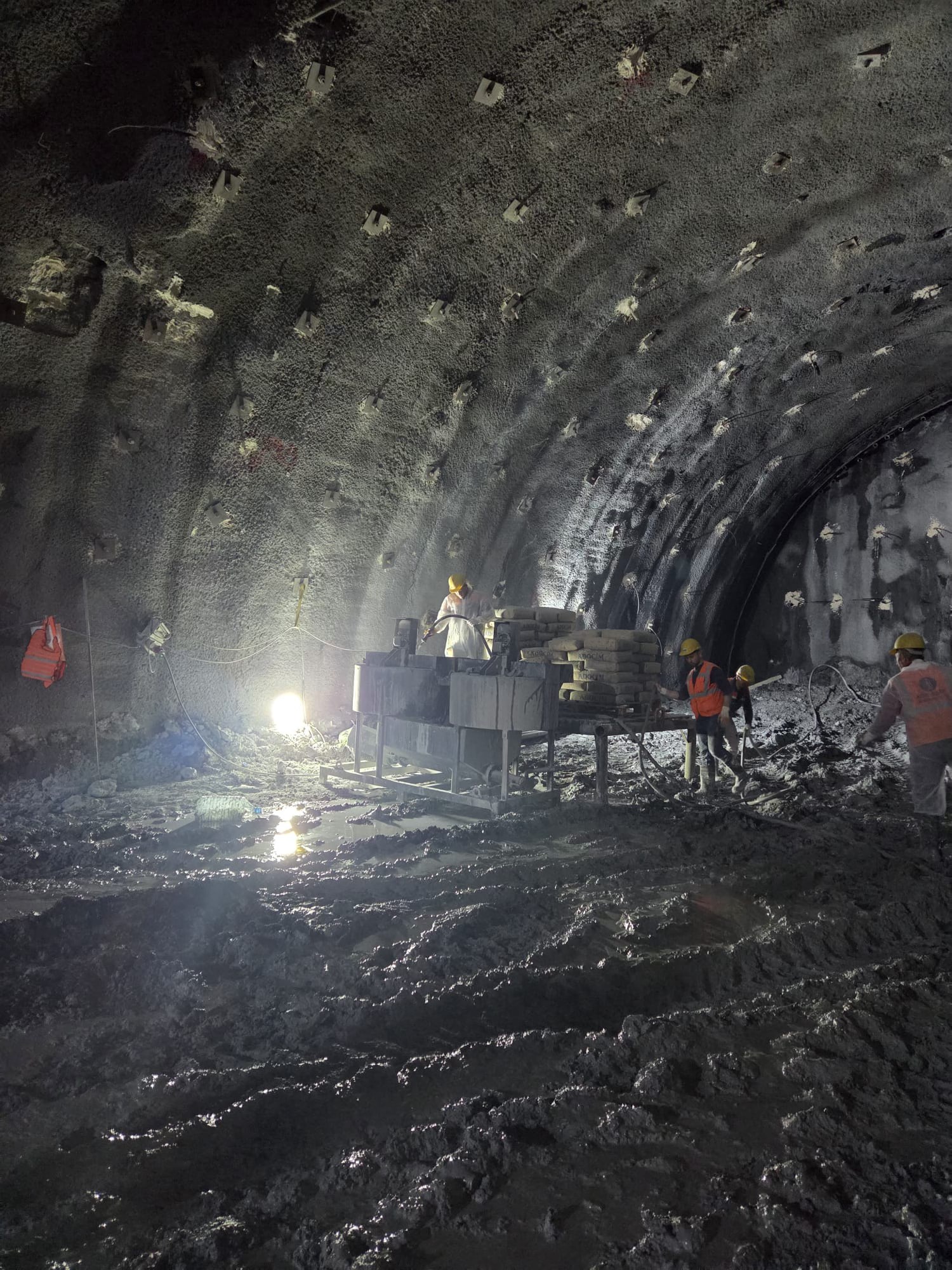
Cement grouting is one of the most effective methods used in ground engineering and structural reinforcement projects to improve the soil by filling underground voids and cracks. Combined with modern construction technologies, this process plays a critical role in ensuring ground safety, preventing liquefaction, and extending the life of structures.
History of Grouting: From Traditional Methods to Modern Technology
Before modern injection machine technologies were developed, soil-related issues such as water leaks or subsidences were addressed using much more challenging and limited methods.
Old Methods: In the past, large amounts of stone, soil, or clay fill were applied to problem areas to compact the ground. Organic fibers or coarse mortars were sometimes used to stop water leaks.
Challenges: These old methods were slow, and it was technically impossible to determine if the underground void was completely filled. This could lead to the halting or total cancellation of dam and tunnel projects.
Advantages of Modern Grouting Systems
Today's developing injection technology allows for safe construction even on ground structures previously deemed "impossible".
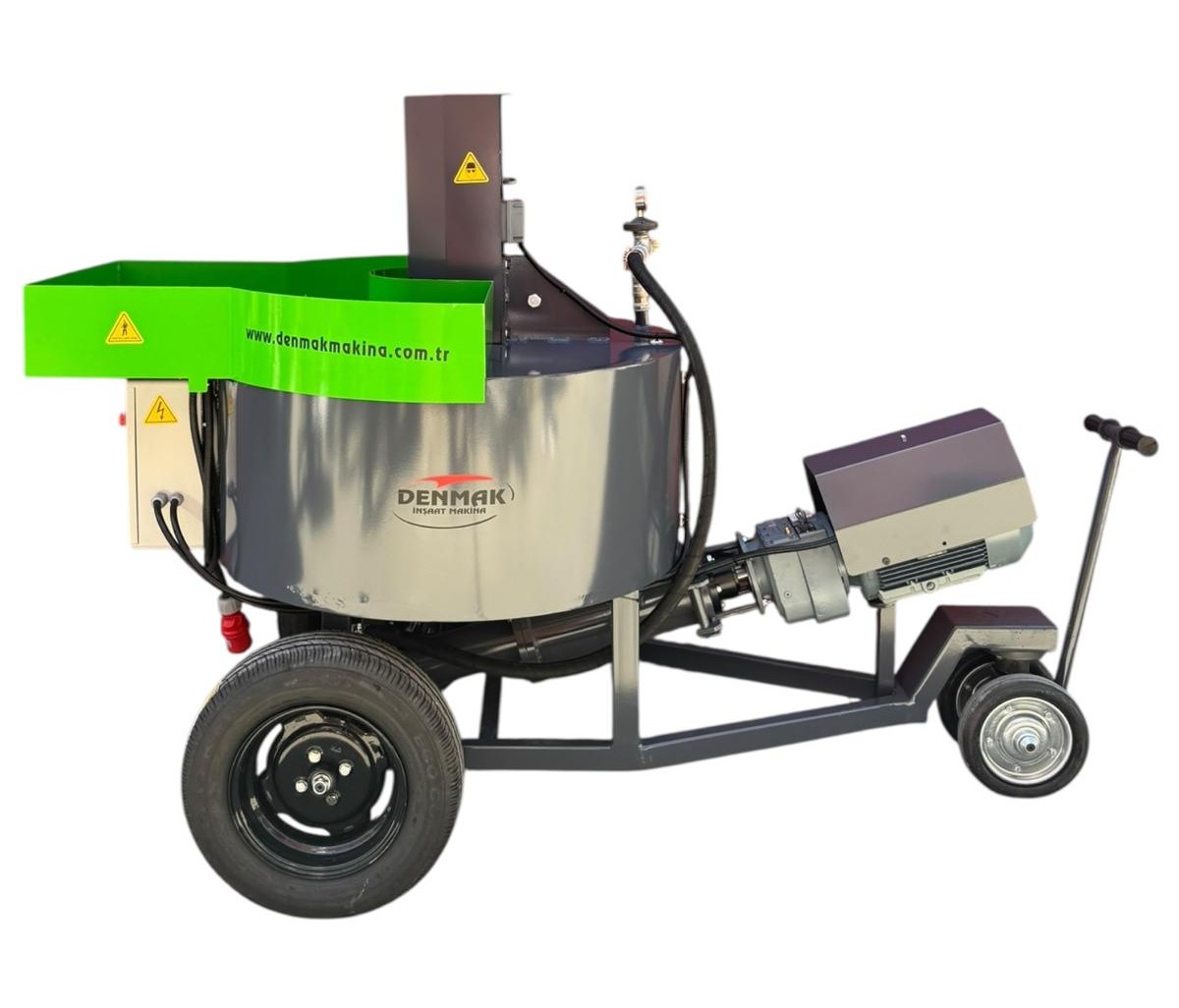
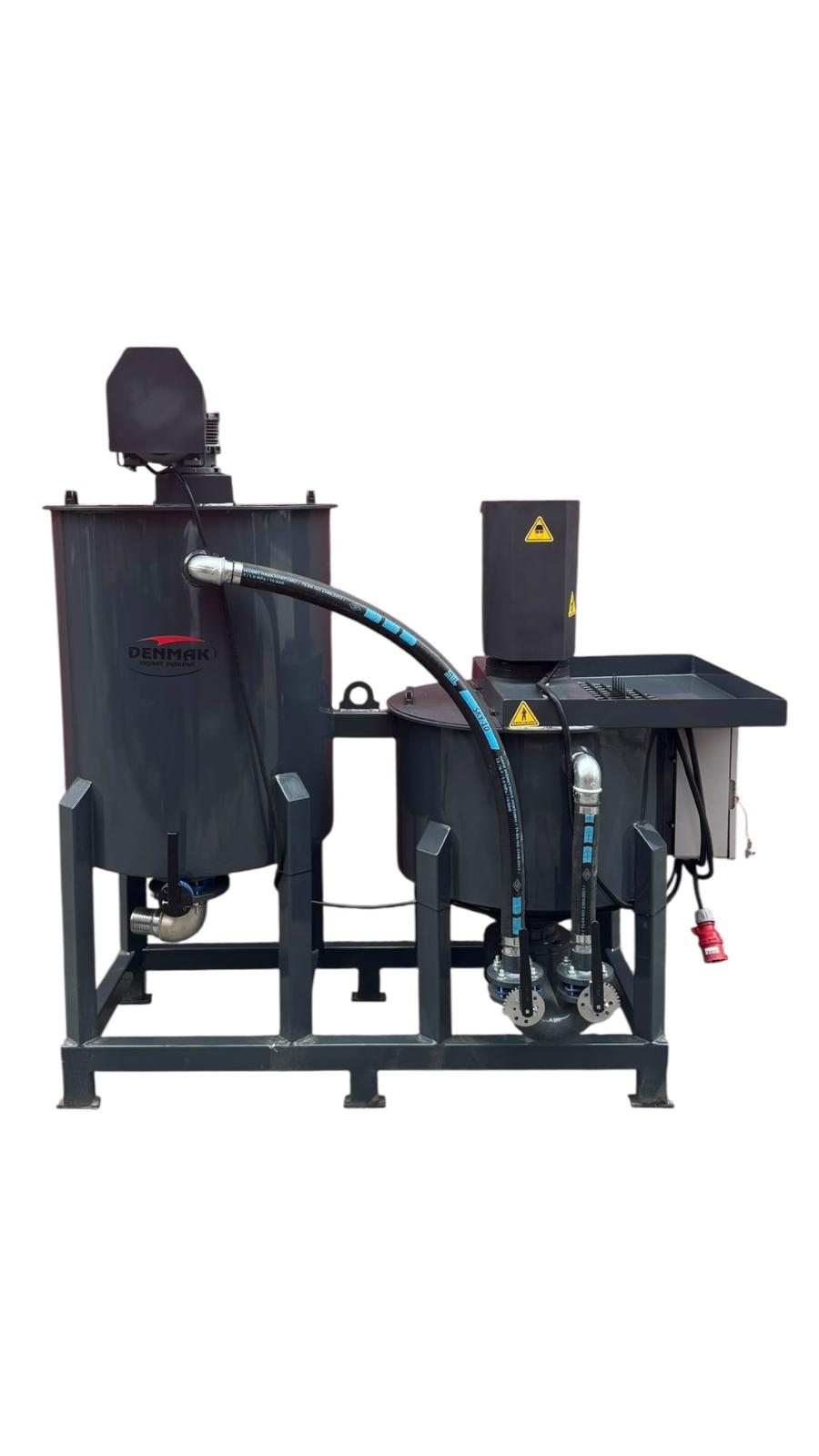
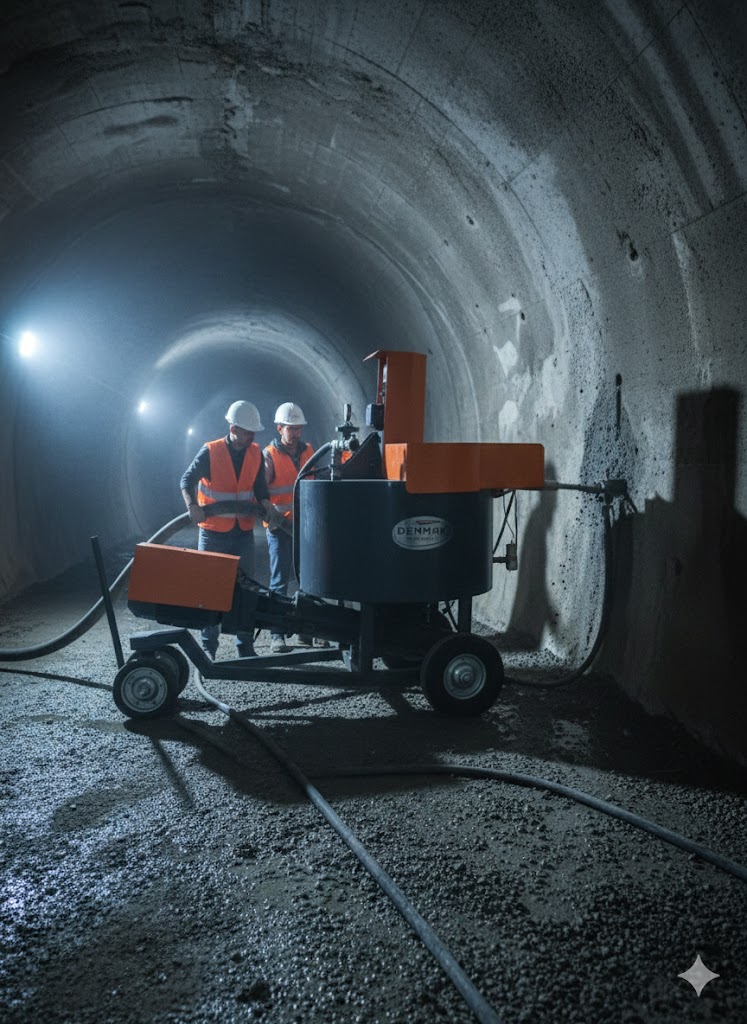
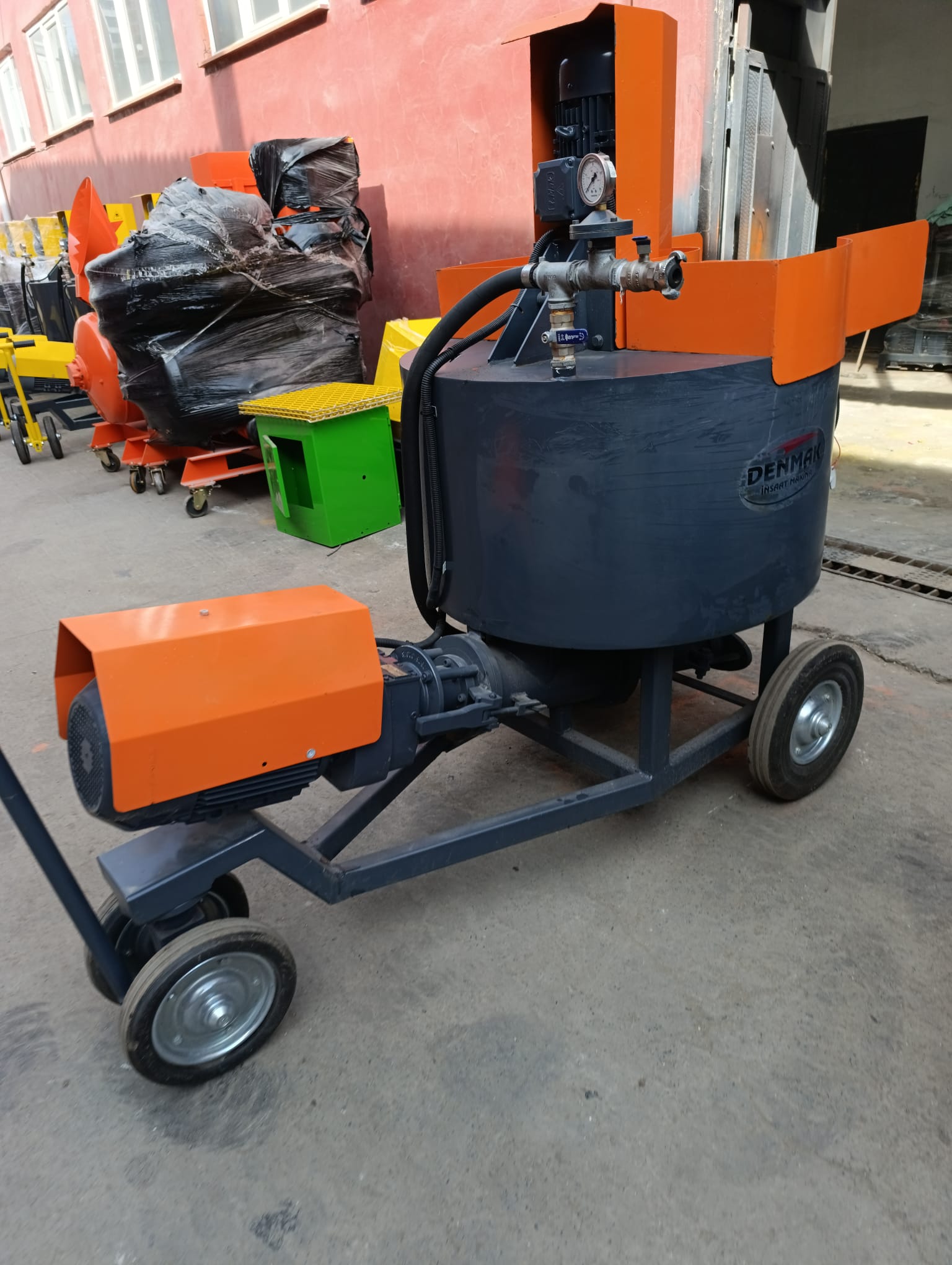
Thanks to advanced cement grout mixer systems, the mixture is delivered directly to the target with minimum error at the exact desired pressure and quantity.
Providing water impermeability for a massive dam (curtain grouting) by just drilling small holes, without the need for foundation excavation, significantly reduces costs while accelerating projects.
How is Grouting Done? Working Principle and Steps
The main purpose of grouting is to "improve" the ground. The process consists of three main steps:
Preparation: Cement, water, and chemical additives are mixed in grout mixer systems until completely homogeneous.
Transmission: This mixture is delivered to the hoses under high pressure via a professional injection pump.
Sealing: To prevent backflow and focus on the target, the hole entrance is sealed using mechanical packers or steel packers.
Grouting Types: Cement, Chemical, and Jet Grouting
Different contents and application methods are preferred according to the needs:
Cement-Based Grouting: The most common method; used to fill rock and soil voids.
Chemical Grouting: For very small cracks and precise sealing, special resins injected with a polyurethane injection pump are preferred.
Jet Grouting: An advanced method that fragments the soil with high pressure and mixes it with cement in situ to create massive concrete columns.
Classic injection fills existing voids to reinforce the ground, whereas Jet Grouting uses very high pressure (400-600 bar) to physically fragment the soil and create an entirely new structure.
Gallery