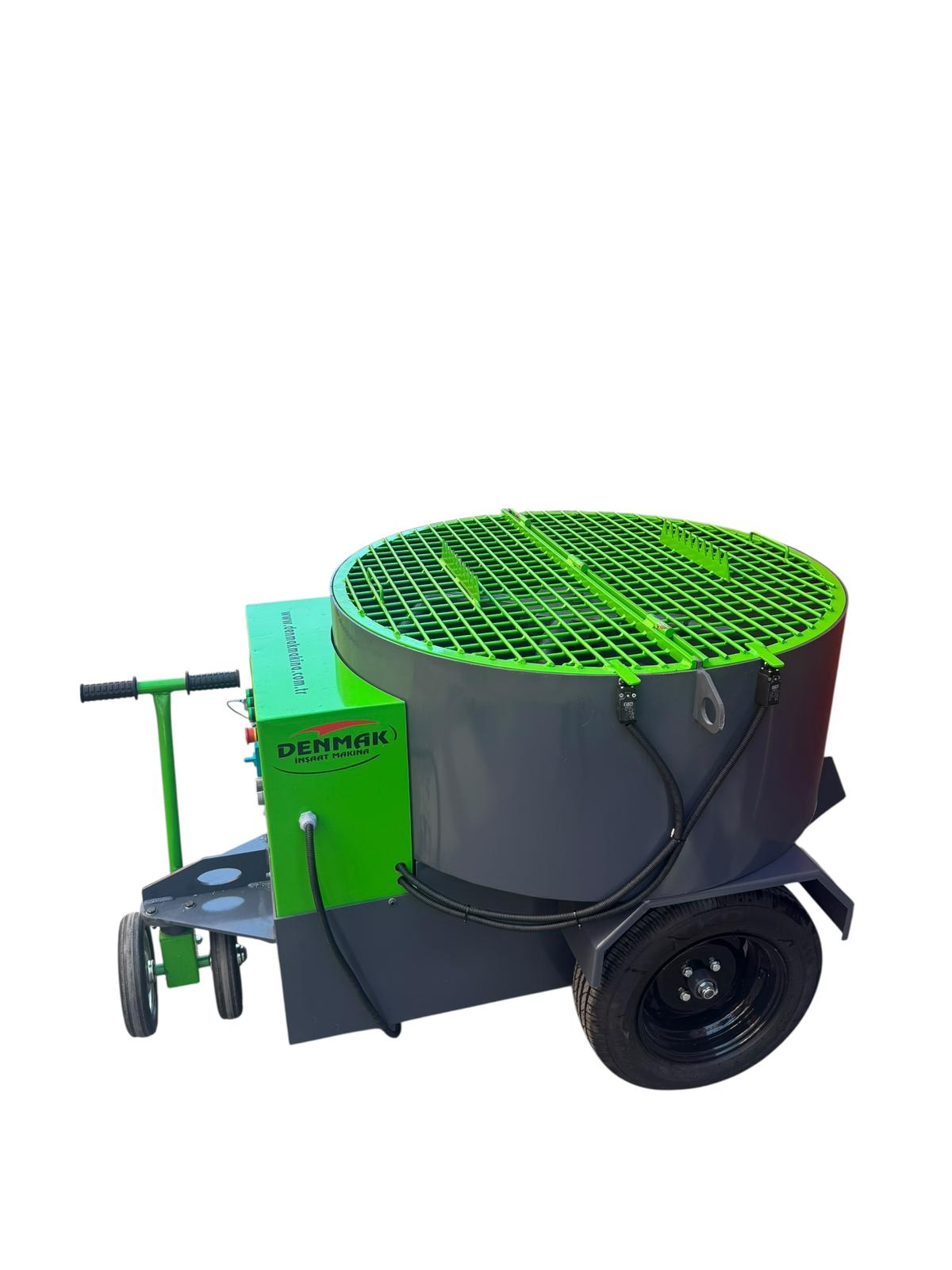
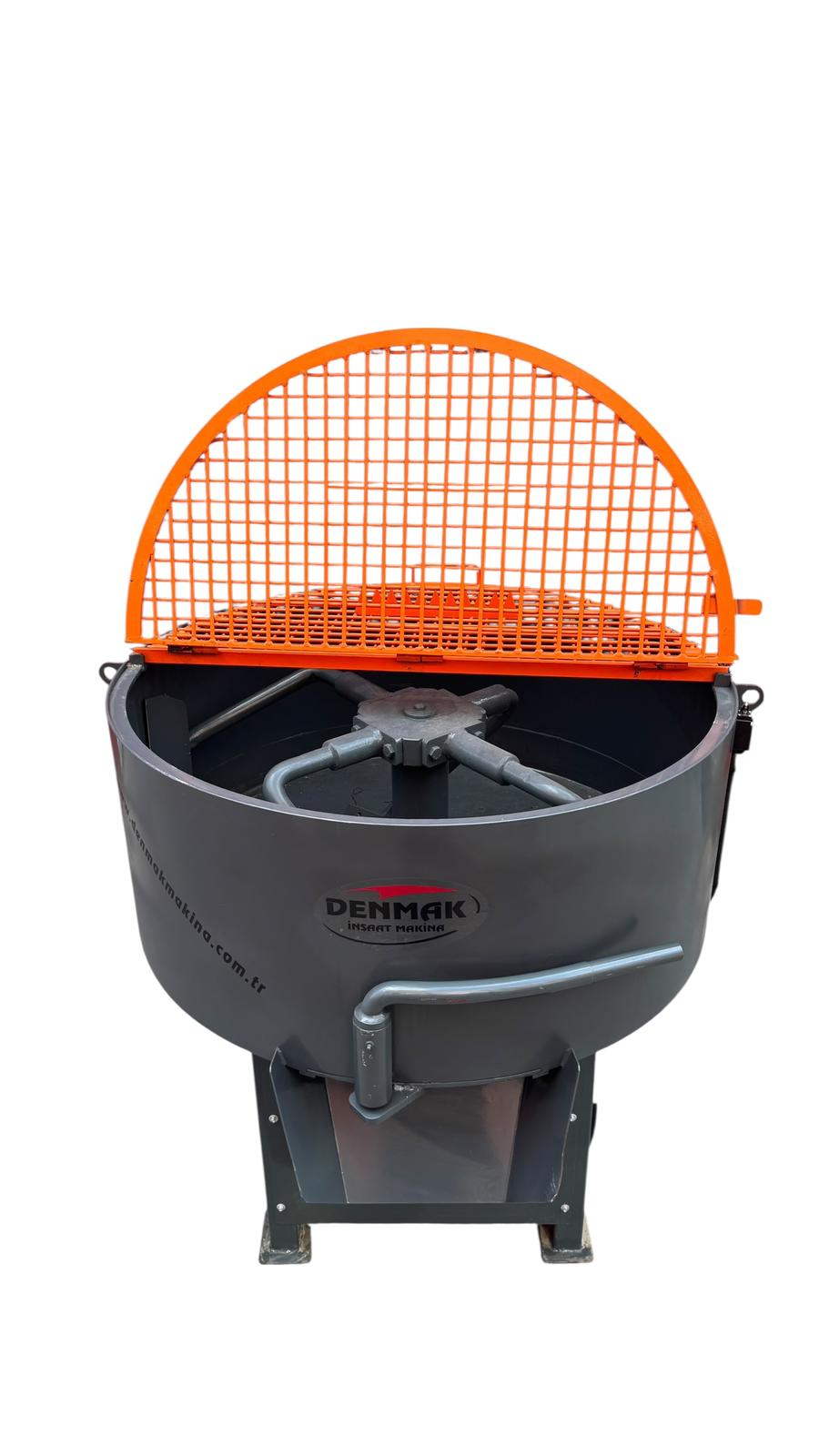
Types of Grout Mixers and Technical Selection Criteria
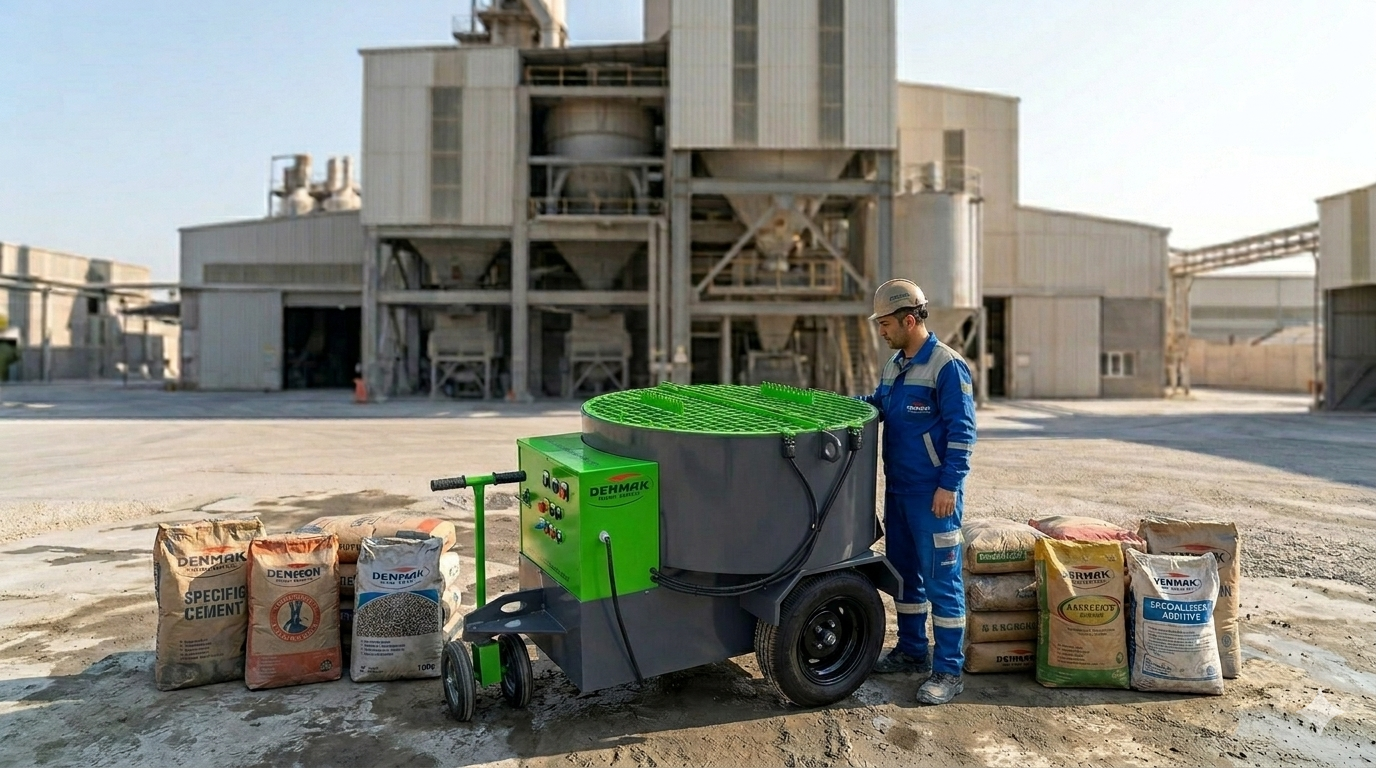
Types of Grout Mixers and Technical Selection Criteria
On a construction and tunnelling site, the "right grout" is not simply the result of combining the right materials — it is the product of processing those materials with the right mechanical force, at the right time, and to the right consistency. Grout mixing machines offer different technical configurations depending on the scale of the project, the type of binder material used, and the distance over which the grout must be conveyed.
In this article, we examine the main types of grout mixing machines used in industrial applications such as tunnel construction, ground improvement, filling injection and shotcrete preparation — along with their technical operating principles and project-based selection criteria.
Colloidal mixers are indispensable for high-performance grouting projects. They fully disperse cement particles within water to form a homogeneous "colloidal" structure. The resulting injection grout achieves a far more fluid and stable consistency compared to grouts prepared in conventional mixers.
Operating Principle
Colloidal mixers eliminate the surface tension between cement particles through a high-speed impeller (typically 1,500–2,000 rpm). This intensive turbulent flow ensures that every cement particle makes full contact with water. The resulting mixture is a smooth, air-bubble-free, low-viscosity grout slurry.
Technical Advantages
• Fluidity capable of penetrating even the finest hairline cracks underground
• Maximum compressive strength through complete cement-water contact
• Homogeneous mix even at low water/cement ratios
• First choice for tunnel waterproofing, dam foundation grouting and ground consolidation
When Should It Be Preferred?
Colloidal mixers are essential for tunnel waterproofing, rock grouting, pressure filling with packers, and ground improvement projects. Where high penetration into fine crack geometries is required, the colloidal system should not be compromised.
Turbulent mixers are indispensable for preparing denser mortars and shotcrete (sprayed concrete). Unlike colloidal systems, they are capable of handling mixes with higher aggregate content.
Operating Principle
A homogeneous mix is achieved in a short time through paddles that physically beat the material and a drum geometry that generates turbulence. High-torque motors bring even dense cement-based mortars to a workable consistency within a short cycle.
Integration with the Agitator (Holding Tank)
Agitators working in conjunction with turbulent mixers prevent the prepared grout from segregating or setting prematurely before it is fed to the pump. These continuously slow-rotating holding tanks provide a steady and homogeneous feed source for the injection pump. In large-volume filling injection and ground improvement projects in particular, the mixer + agitator combination significantly reduces operating costs.
Technical Advantages
• Capacity to handle mixes containing aggregate and high-viscosity materials
• High-volume continuous production capability
• Pump feed stability through agitator integration
• Competitive cost in shotcrete and filling injection applications
Modern grout mixing machines do not merely mix — they also keep material quality under control throughout the project. In large-scale tunnel and infrastructure projects in particular, automation systems ensure both occupational safety and repeatability.
Water Dosing System
Precision water dosing units keep the water/cement ratio constant throughout every mixing cycle, ensuring a consistent grout consistency (slump value). This directly affects both the penetration depth of the injection into the ground and the compressive strength after hardening. Uniform mix quality is achieved even when different operators are working on the same site.
Wear-Resistant Drum and Body Design
To withstand the intensive abrasive action of cement and aggregate, mixer drums are equipped with high-strength Hardox steel or special wear-resistant coatings. This extends maintenance intervals and minimises unplanned downtime on site. Drum geometry is also a critical design parameter that affects mix homogeneity and discharge speed.
Data Logging and Digital Control Panels
Advanced machines are equipped with digital control panels that record parameters such as mixing time, water consumption and cycle count. This data can be used for both quality documentation and proactive maintenance planning.
The type of mixing machine to be selected is determined by the intended end use of the grout. The list below summarises the recommended system type by application:
• Tunnel waterproofing / rock crack grouting → Colloidal mixer (low viscosity, high penetration)
• Ground improvement (jet grouting, compaction grouting) → Colloidal or turbulent mixer + agitator
• Filling injection (large volume) → Turbulent mixer + agitator combination
• Shotcrete / sprayed concrete mortar → Turbulent mixer (high capacity, aggregate-compatible)
• Refractory and special mortar applications → Turbulent mixer (high-density material)
Selecting the right grout mixing machine determines not only the speed of the project but also its engineering quality and long-term operating cost. At the decision stage, it is recommended that the following technical criteria be evaluated holistically:
• Grout consistency and viscosity: Colloidal systems are suitable for injections requiring high fluidity; turbulent systems are suited to dense mortars.
• Application distance and pipe/hose length: The risk of segregation increases over long lines; in such cases, the use of an agitator becomes essential.
• Hourly production capacity (L/min): A capacity compatible with the expected grout consumption on site must be selected.
• Aggregate size and content: Colloidal systems are ideal for pure cement slurries; turbulent systems come to the fore for mortars containing aggregate.
• Working environment: In underground or confined-space operations, compact design and portability are of critical importance.
• Ease of maintenance and spare parts availability: For long-running projects, local spare parts support ensures operational continuity.
Selecting a grout mixing machine is not merely a technical procurement decision — it is an engineering choice. Getting the most out of every particle of cement with a high-speed colloidal system, or achieving uninterrupted production with a high-capacity turbulent set — both deliver excellent results within their own field of application.
The right machine selection is the fundamental factor that directly enables the injection pump, shotcrete machine or packer at the end of the line to operate without error. When mix quality is compromised, every subsequent piece of equipment in the process is forced to compensate for that failure.
As Denmak Makina, we offer the right solution for your project's technical requirements across our wide product range — from colloidal mixers to turbulent systems, and from agitators to fully automated dosing units. Please feel free to contact our team for technical consultation and product selection.
Gallery