Shotcrete Nozzle Guide: Technical Details and Application Principles
Shotcrete Nozzle Guide: Technical Details and Application Principles
The Nozzle, located at the furthest tip of the shotcrete system, is the critical component where concrete meets high-pressure air and is projected onto the surface. A nozzle is not merely an "exit tip"; it is an engineering component that determines the flow characteristics of the concrete, the mixing quality with accelerators, and the overall success of the application.
The primary function of the nozzle is to constrict and accelerate the concrete mass coming from the hose, delivering it homogeneously to the surface.
Air and Concrete Mixing: In dry-mix systems, it is the strategic point where water is mixed, and in wet-mix systems, where liquid accelerators are thoroughly blended with the concrete.
Kinetic Energy and Acceleration: It creates a Venturi effect, providing the necessary velocity for the concrete to adhere to the surface.
Operational Control: It allows the operator to direct the concrete and perform precise spraying with narrow or wide angles.
The correct nozzle should be selected based on the application method and the hourly concrete output capacity of the machine:
Dry-Mix (Gunite) Nozzles: These feature an internal "water ring." The concrete arrives dry, and water is mixed inside the nozzle. Generally preferred for 1-4 m³/h capacities to maintain velocity.
Wet-Mix Nozzles: Since the concrete arrives wet, these feature an "air ring" instead of a water ring. Models that do not obstruct the concrete flow are used for high-capacity projects (10-20+ m³/h).
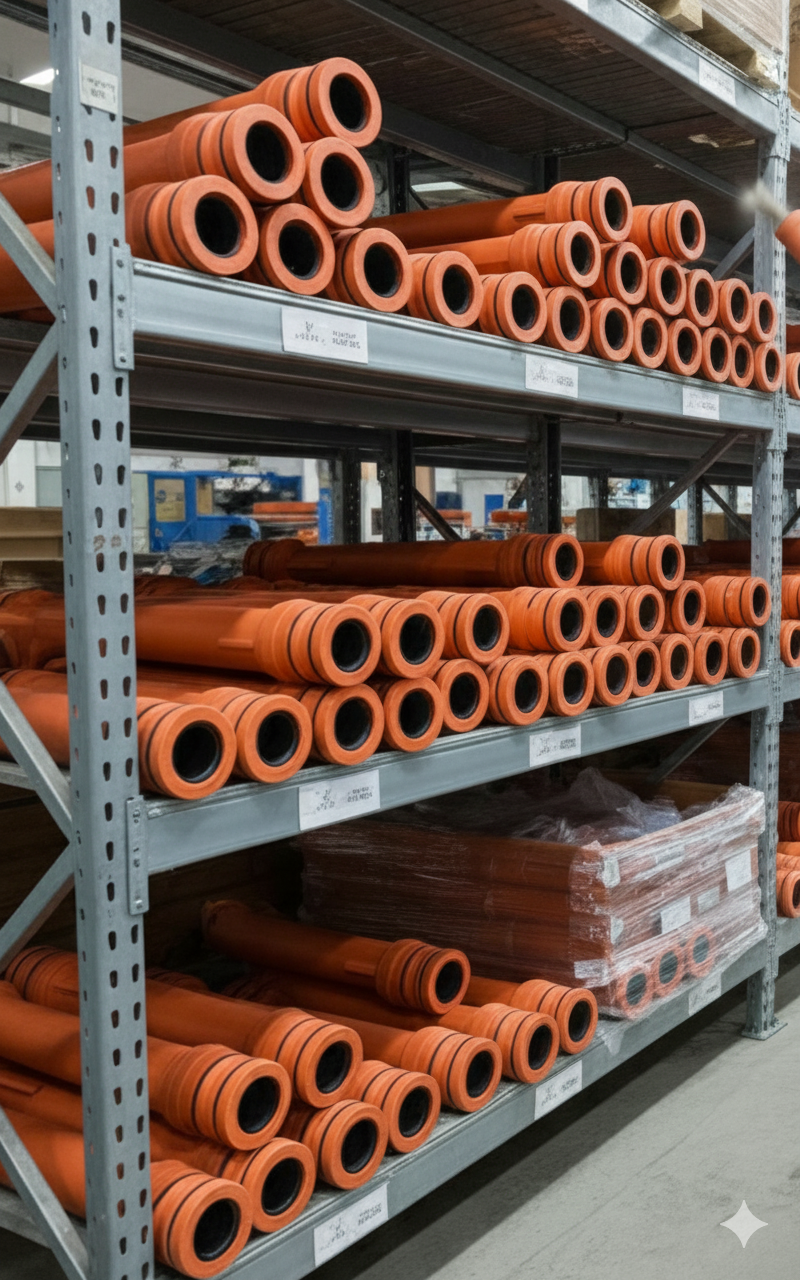
Polyurethane (Rubber) Nozzles: The most wear-resistant type. Its flexible structure prevents aggregate from clogging the nozzle and results in lower rebound rates.
Steel/Aluminum Bodied Nozzles: Heavy-duty types preferred for high-pressure and large-scale industrial projects.
Correct nozzle technique is essential for a high-quality application and material savings:
The 90-Degree Rule: To minimize rebound, the nozzle must always be held perpendicular (90 degrees) to the surface.
Ideal Distance: The distance between the nozzle and the surface should typically be maintained between 1-1.5 meters, depending on the air pressure.
Choosing the wrong nozzle leads to serious issues in your project:
Concrete bouncing off the surface (high rebound costs/waste),
Frequent clogging of the machine and hose line,
Increased dust levels, posing serious occupational health risks.
The lifespan of a nozzle depends on its internal surface smoothness and material quality:
Design: The ideal internal geometry (conical structure) is designed to ensure concrete flows without turbulence.
Material Selection: High-density polyurethane or special alloy metals are selected to withstand abrasive sand and gravel.
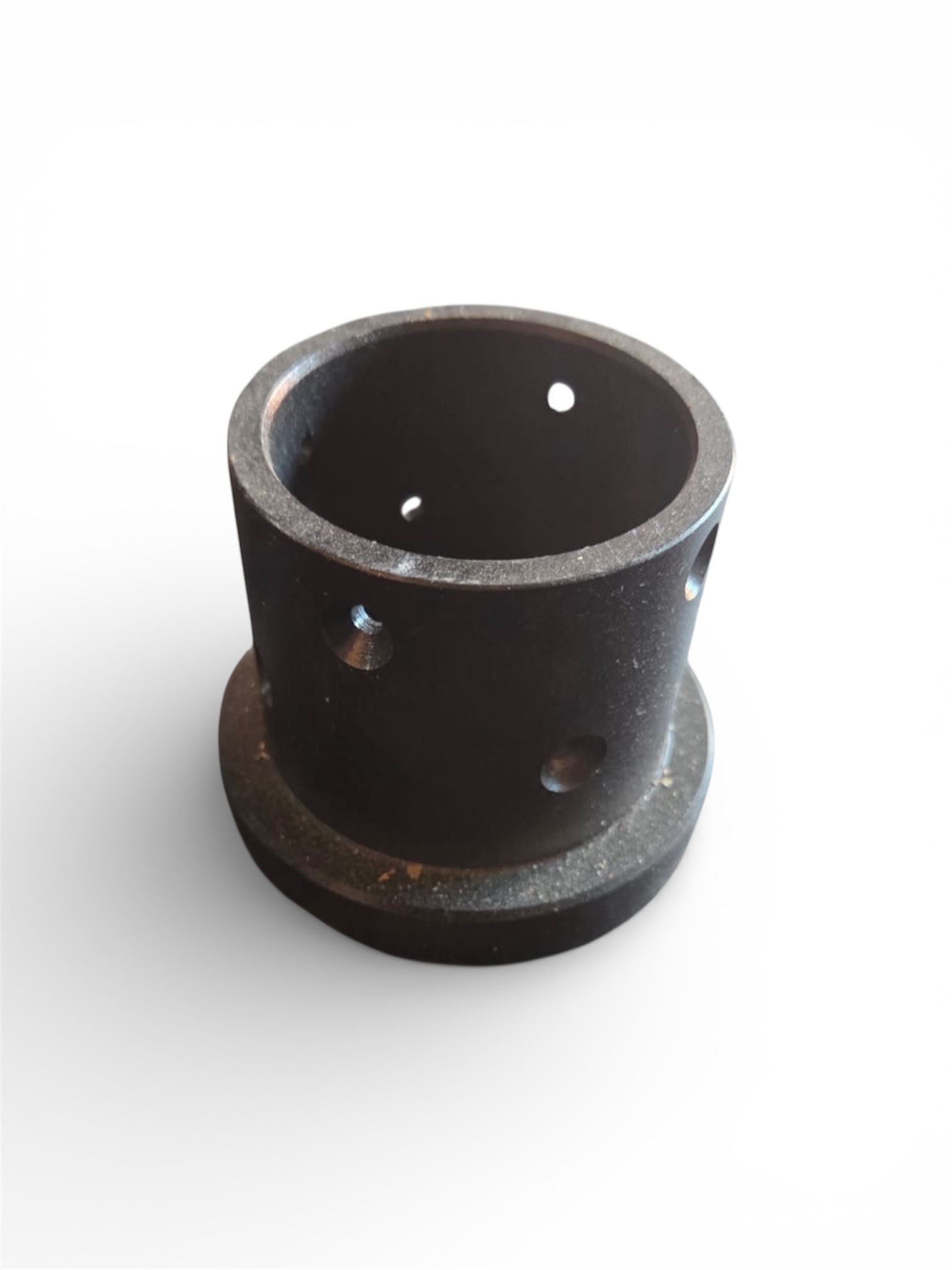
Precision Machining: Metal bodies are processed with micron precision on CNC machines; polyurethanes are cast at high temperatures.
The internal structure of the nozzle determines the exit velocity and the shape of the spray cone:
Conical Contraction: Gradual narrowing minimizes pressure loss, allowing concrete to accelerate along a linear path.
Internal Surface Smoothness: In Denmak nozzles, the internal surface is treated to reduce friction; this prevents overheating and reduces the risk of concrete sticking inside.
Wear Resistance: The hardness of the internal walls against the continuous friction of aggregates ensures the spray pattern remains consistent.
Regular maintenance is mandatory to extend the service life of the nozzle. A worn nozzle directly increases the rebound rate by reducing concrete velocity.
Daily Cleaning: At the end of every shift, the nozzle must be completely cleared using high-pressure water or air. Hardened residue causes plugging.
Wear Inspection: The internal diameter of the nozzle should be measured periodically. A 10% expansion in the internal geometry leads to a significant drop in spraying velocity.
Chemical Buildup: In wet systems, injection holes inside the nozzle can become blocked by chemical deposits. Keeping these holes clear is critical for setting (curing) quality.
For the safety of the nozzleman and the surrounding crew, the following standards must be met:
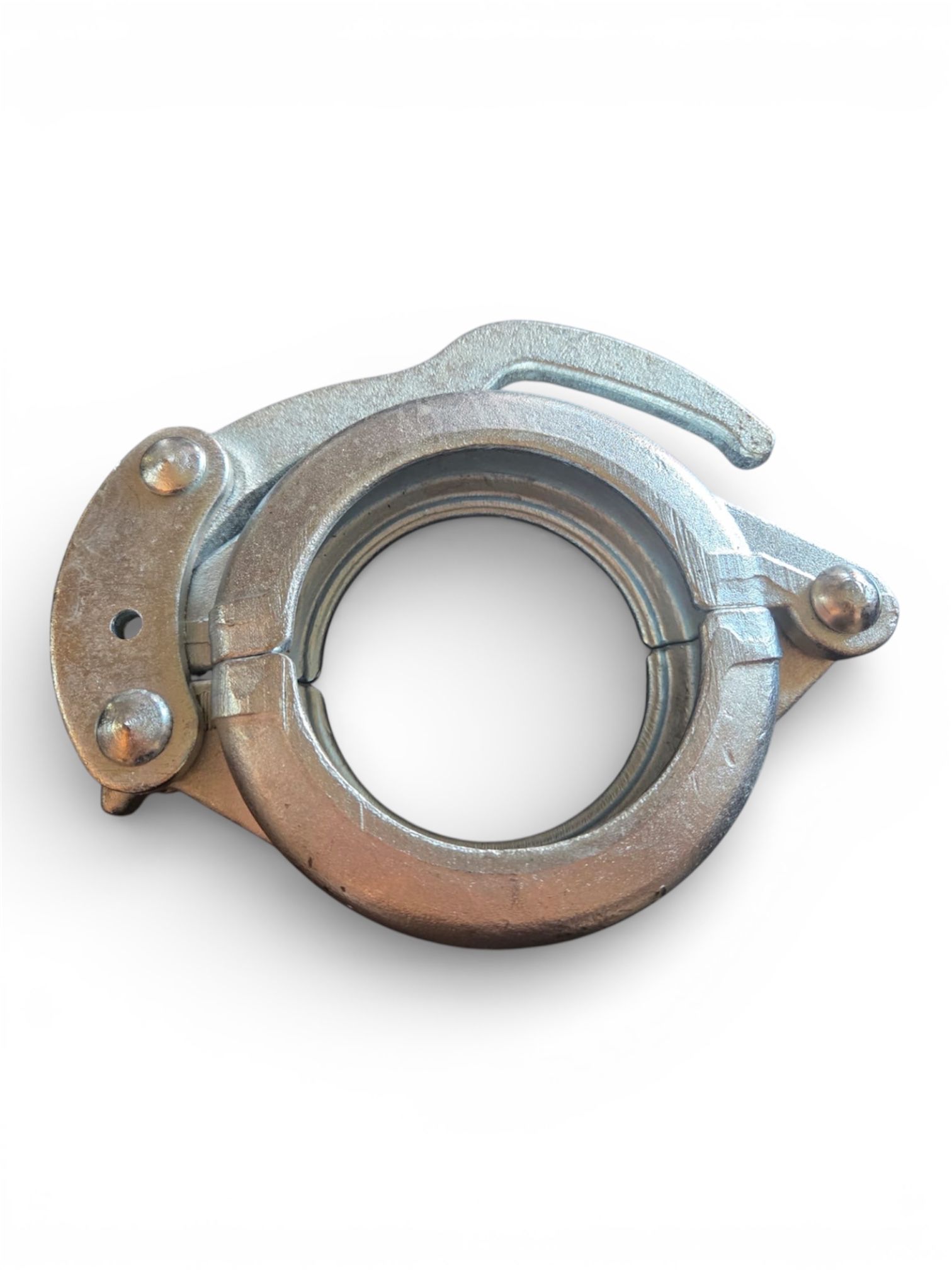
Hose and Coupling Safety: Steel couplings with safety pins must be used where the nozzle connects to the hose.
Visibility and Lighting: Especially in tunnel and mining projects, the impact point of the nozzle must be clearly visible.
Personal Protective Equipment (PPE): Operators must use full-face masks, concrete-resistant coveralls, and high-durability gloves.
Nozzle efficiency depends on the harmony between the concrete flow from the machine and the air pressure from the compressor.
Optimum Pressure: If air pressure is too low, concrete will not adhere; if too high, it will rebound violently.
Turbulence Management: The conical contraction in the nozzle's internal structure operates on the Venturi principle. This geometry increases the velocity of the concrete while ensuring a homogeneous mix with air.
Air Ring Design: In wet-mix nozzles, 360-degree equal air contact with the concrete is vital for a uniform spray cone.
Technical Support Note: Due to the complexity of technical variables in shotcrete applications, you can contact the Denmak Makina technical team to determine the most suitable capacity and nozzle combination for your project. Consulting our experts is the safest way to prevent efficiency losses caused by incorrect selections.
Products and Contact:
Polyurethane Nozzle Product Page: https://www.denmakmakina.com.tr/en/spare-parts/polyurethane-nozzle
Corporate Website: https://www.denmakmakina.com.tr/en
Gallery