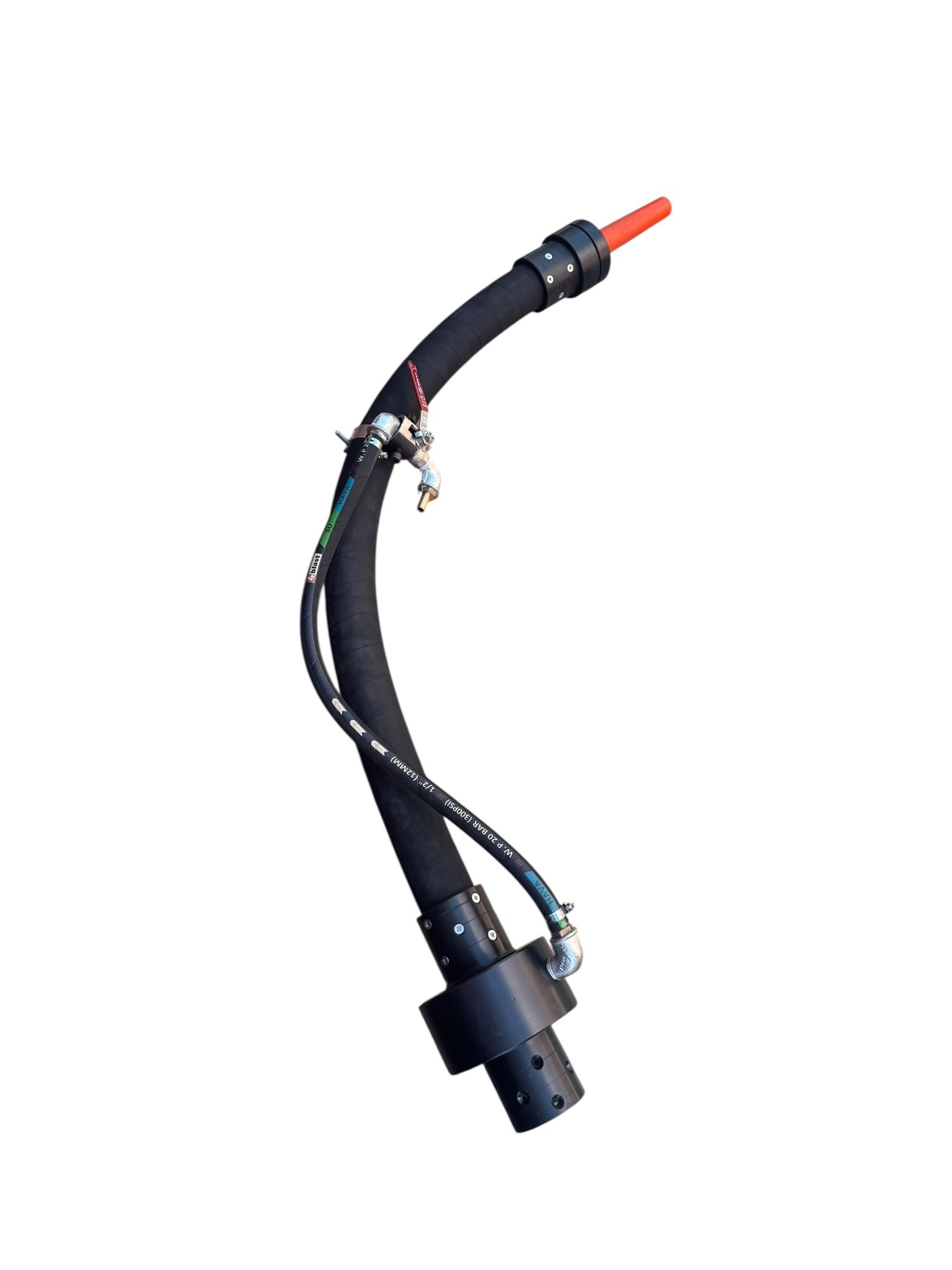
Safety in Shotcrete Lines: The Importance of Hose Connections and Clamps
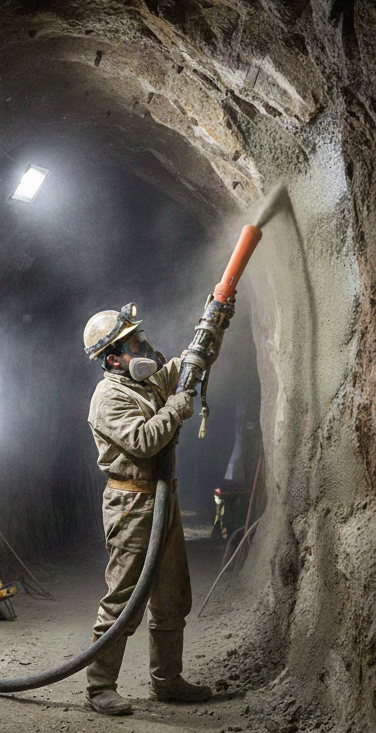
Safety in Shotcrete Lines: The Importance of Hose Connections and Clamps
In shotcrete and injection applications, concrete passes through hoses under dozens of bars of pressure. The weakest link in this high-energy system is always the connection points. A clamp coming loose or breaking can lead to irreparable industrial accidents on the job site.
A secure concrete transfer line depends on these key components working in harmony:
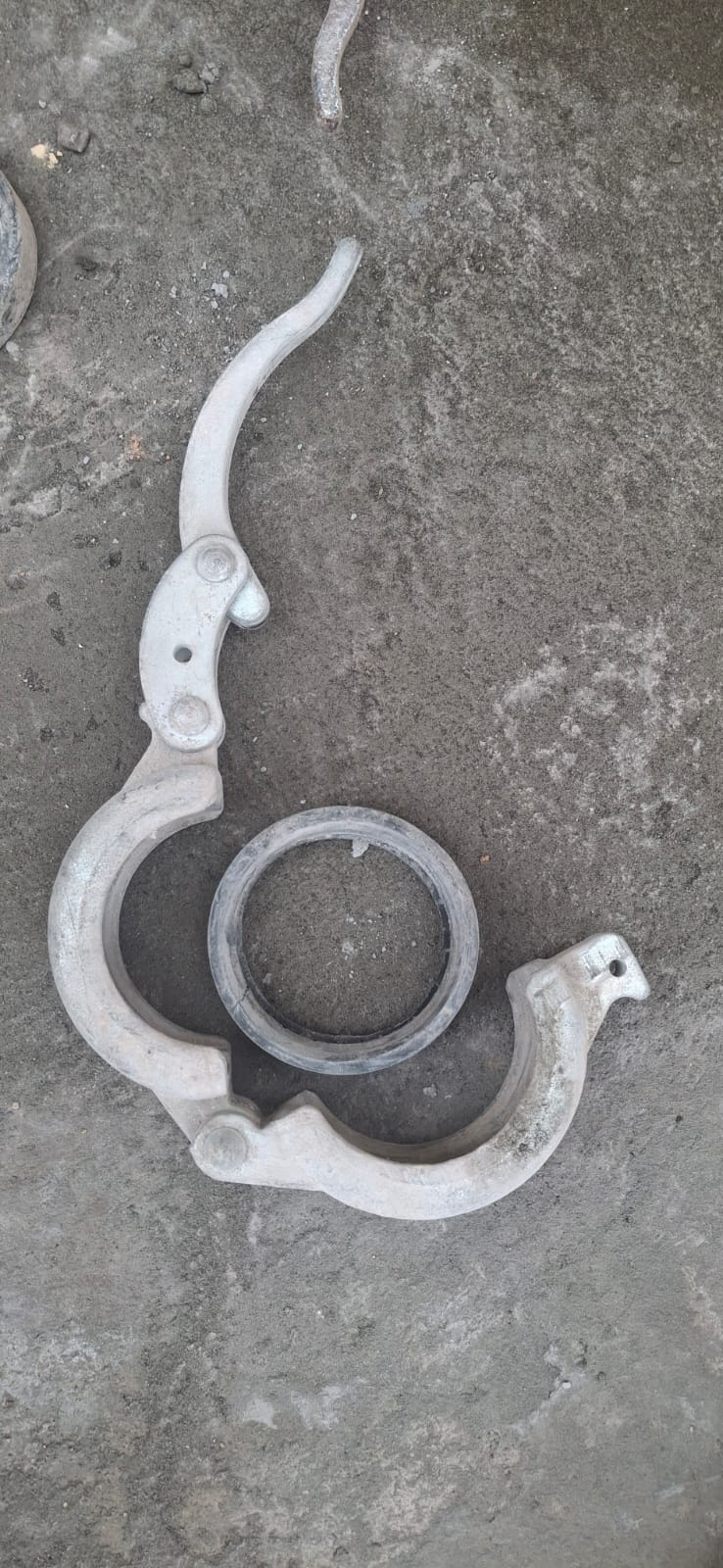
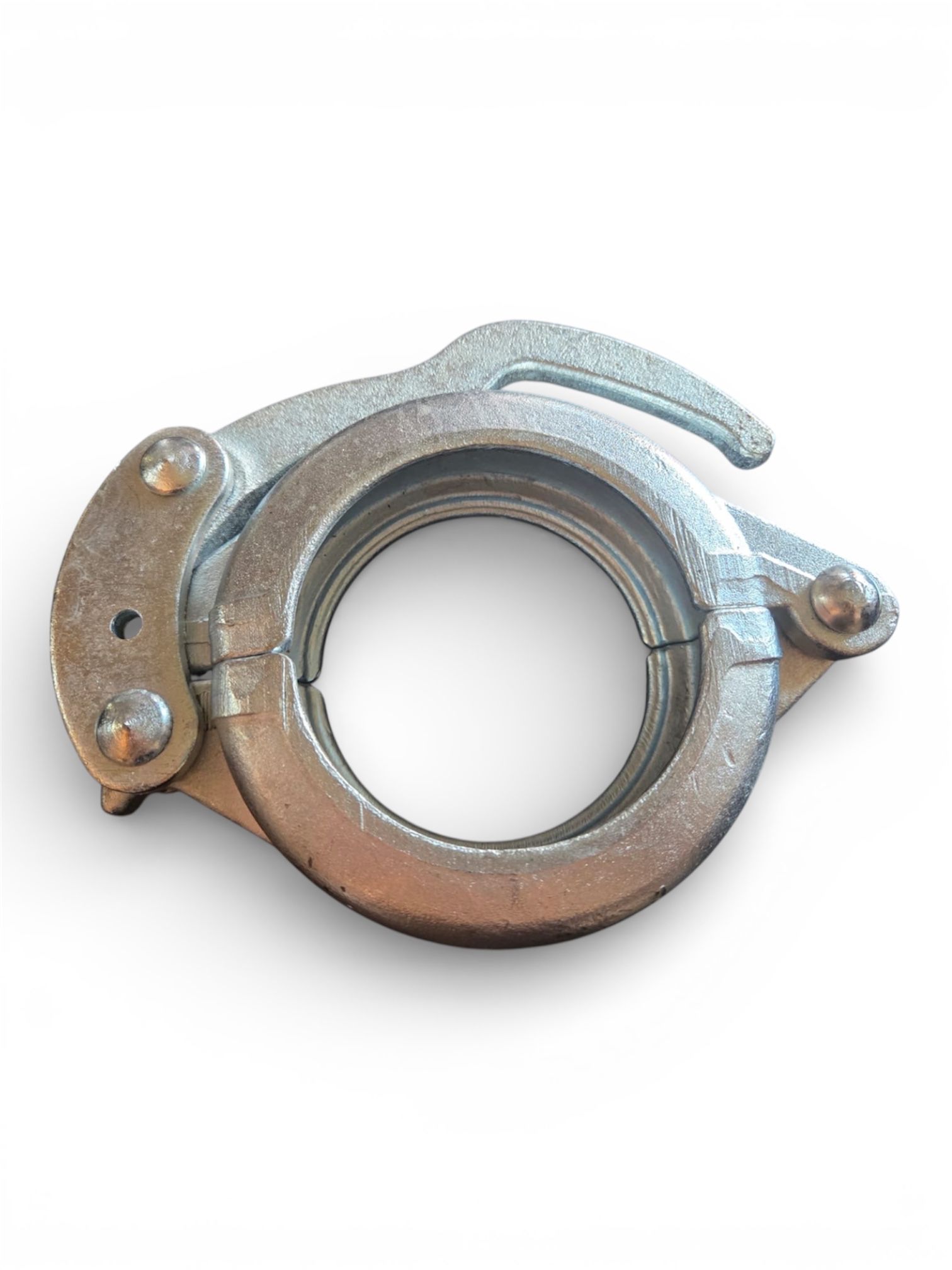
Clamps: The main locking mechanism that holds the line together leak-free.
Clamp Gaskets: A critical part placed inside the clamp to prevent slurry leakage under pressure.
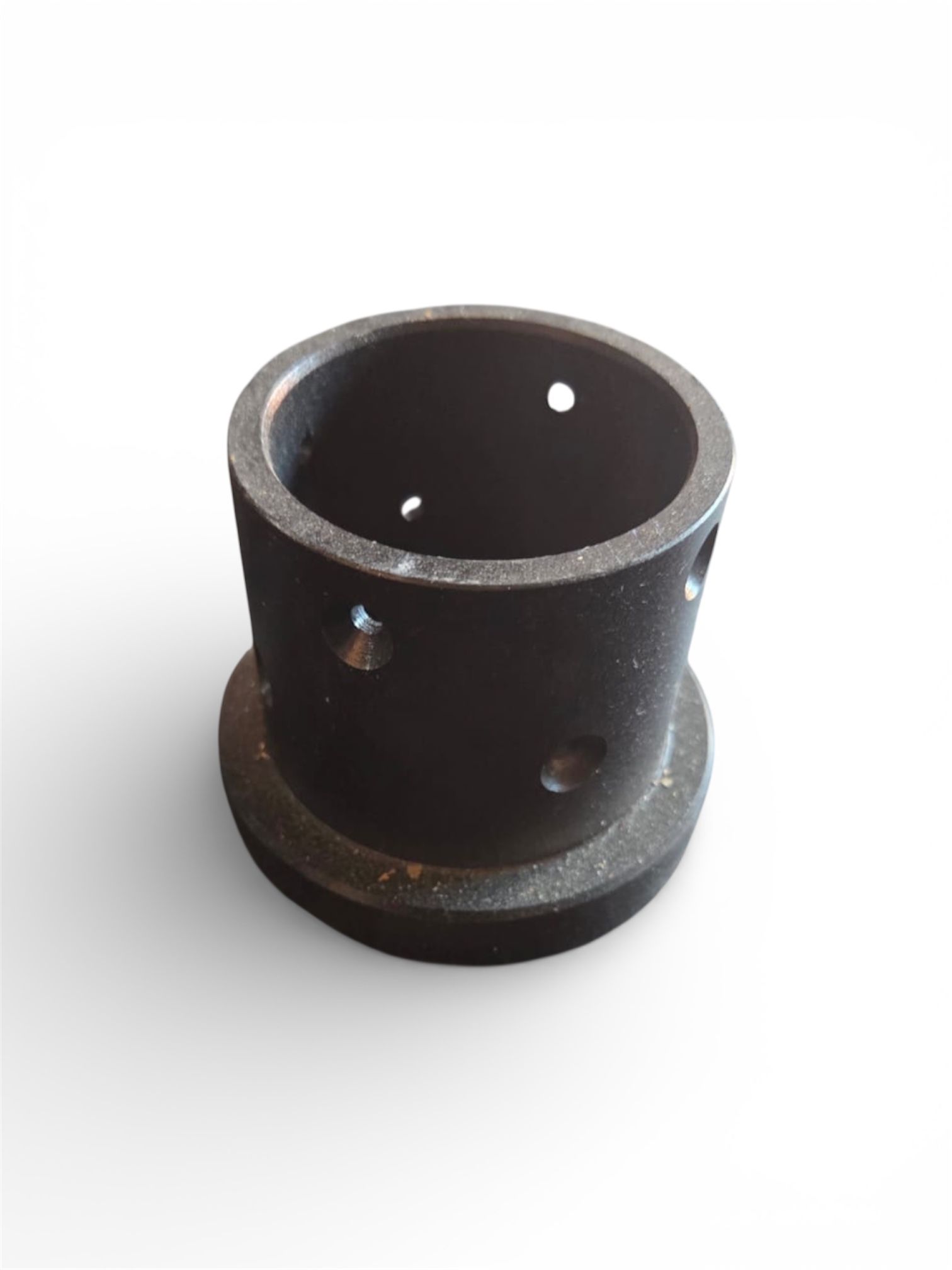
Hose Adapters: Grooved connection elements that provide the transition between the flexible hose and the steel pipe line.
Hose Nipples: Metal ends pressed onto the hose that the clamp grips.
Safety Cable (Whipcheck): A steel cable that prevents the hose from whipping in case of an accidental disconnection.
Clamps used in concrete lines are not just simple joining apparatus; they are the center of sealing and flexibility. Advantages of Denmak Makina clamps:
Flexibility: Allows the line to bend at slight angles on uneven ground in tunnels, preventing pipe strain and breakage.
Speed and Practicality: Provides a secure connection in seconds without the need for threading or welding the outside of the pipes.
The most important part that determines the quality of a clamp is the gasket inside.
Sealing: The gasket prevents the cement slurry from leaking under pressure. If the slurry leaks, only coarse aggregate remains in the line, causing an immediate blockage.
Chemical Resistance: Our gaskets are made of high-condition rubber resistant to concrete additives and abrasive chemicals.
The Hose Adapter, which connects the hose to the steel pipe line, is one of the most critical parts of the system.
Perfect Fit: The hose side of the adapter grips the hose without damaging its internal structure; the clamp side is grooved to fit perfectly into the clamp's teeth.
High Pressure Resistance: Incorrect or low-quality adapter selection can cause the hose to blow off the adapter under pressure.
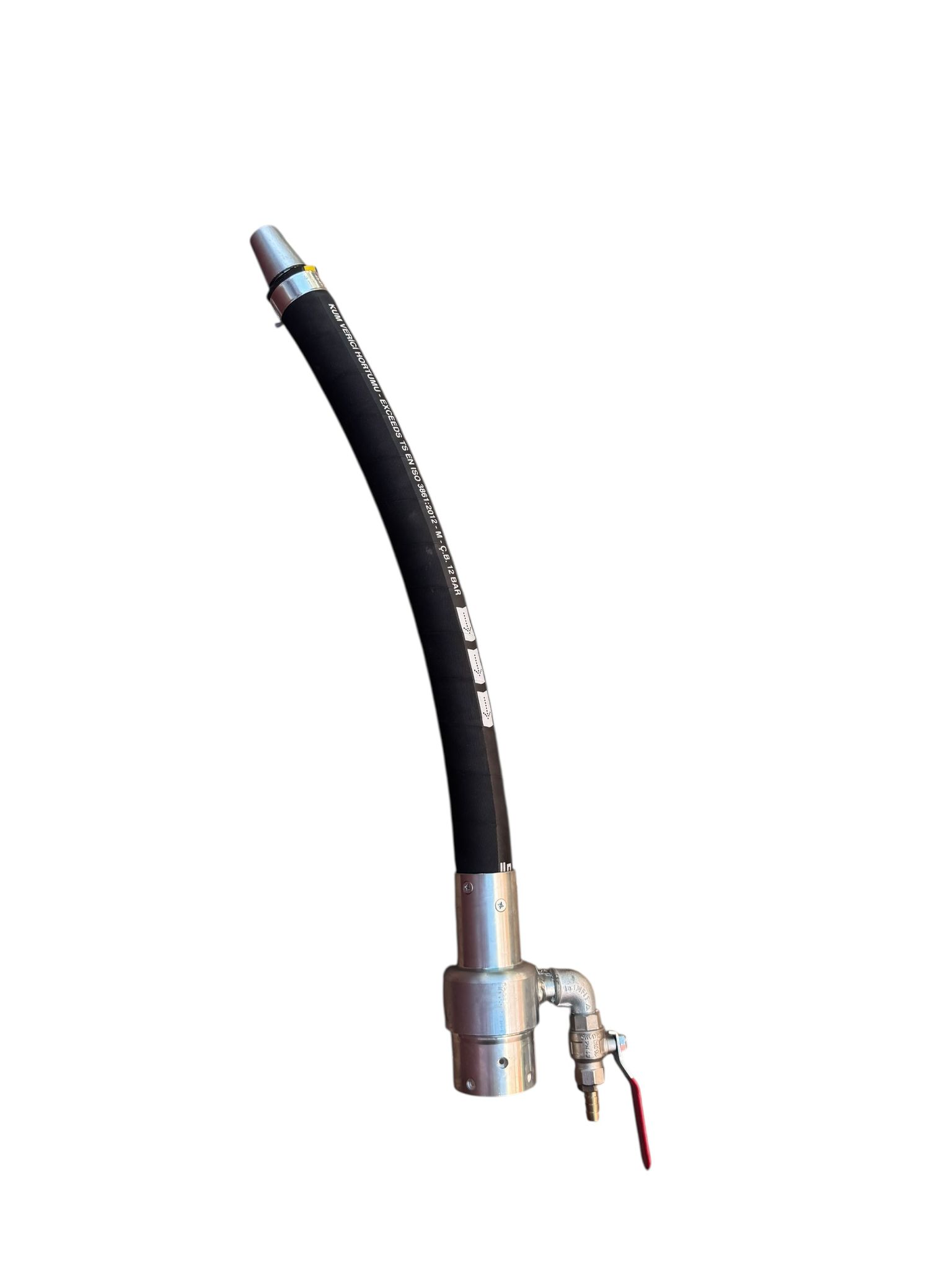
The quality of the hose is as vital as the clamps for safety:
Abrasion Resistance: The inner layer must be made of special rubber resistant to the abrasive effect of high-speed aggregate.
Steel Wire Reinforcement: High-strength steel wire braids must be present inside the body to prevent hose bursts.
Flexibility: The hose should not kink when working in tight spaces.
The most common mistake on sites is trying to close clamps by hitting them with a hammer. Denmak Clamps provide full locking without force thanks to their ergonomic structure. Remember; an incorrectly installed or worn-out gasket is like a grenade with the pin pulled.
For detailed information and technical support, visit our website: https://www.denmakmakina.com.tr/en
Gallery