
Main Components and Functions of Injection Machines
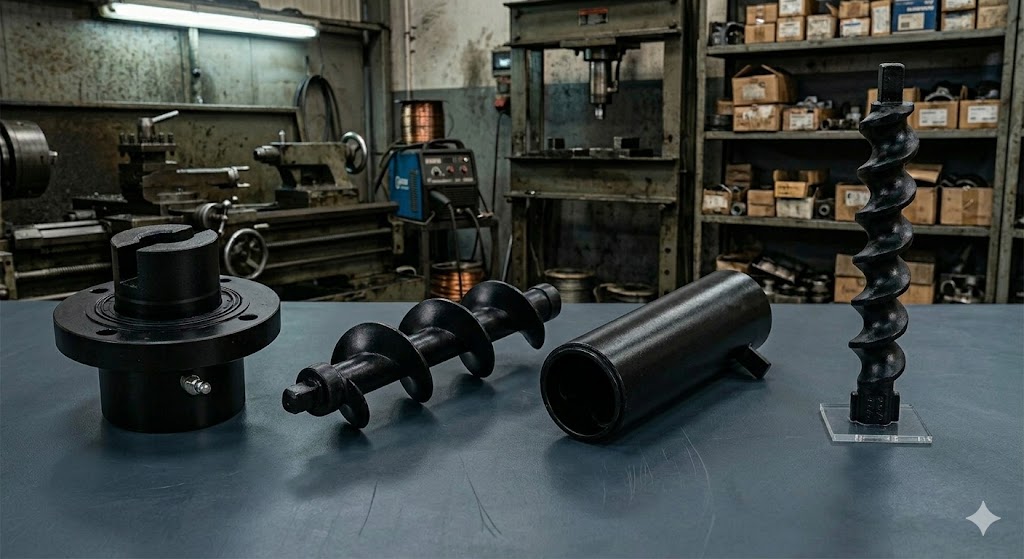
Main Components and Functions of Injection Machines
Injection machines are critical equipment used in construction, mining, and ground engineering to pump cement-based materials under high pressure. The efficiency of these machines depends on the durability and synchronization of their mechanical components. Here are the core parts that form an injection system and the technical details to consider:
Rotor: The moving part of the pump. It converts the rotational movement from the motor into a pushing force that moves the material vertically or horizontally. It is typically manufactured from wear-resistant steel.
Stator: The stationary outer body, usually made of high-strength rubber, in which the rotor turns. The tight tolerance between the rotor and stator allows the material to gain pressure and be conveyed effectively.
Mixer: For a successful injection process, the material must be homogeneous. The mixer ensures that cement and water are blended without clumping, preventing system blockages.
Ball Coupling: Provides a secure connection between high-pressure hoses and the machine. The ball-locking mechanism prevents leaks and allows for quick assembly and disassembly on-site.
The most critical step in operating injection machines is cleaning immediately after the operation is complete. Dried cement can cause irreversible damage to the rotor and stator. Additionally, adjusting the flow rate and pressure according to the machine's capacity will significantly extend the life of these consumables.
Gallery
_kopyası.jpg)