Injection Technologies and Principles of Application in the Strengthening of Historical Structures
Injection Technologies and Principles of Application in the Strengthening of Historical Structures
The preservation and transmission of historical structures to future generations require the restoration of structural integrity through methods faithful to the original. Over time, voids formed in load-bearing walls due to environmental factors, seismic movements, and material fatigue seriously weaken the seismic resistance and load-bearing capacity of the structure. In protecting our cultural heritage, low-pressure injection applications stand out as one of the most effective methods for eliminating these deformations and re-establishing the internal interlocking of masonry walls.
The stone, brick, and traditional mortar texture used in monumental and historical buildings are not resistant to high internal pressure like modern reinforced concrete structures. Therefore, interventions to be made on these structures must strictly adhere to the principles of "minimum intervention" and "preservation of authenticity."
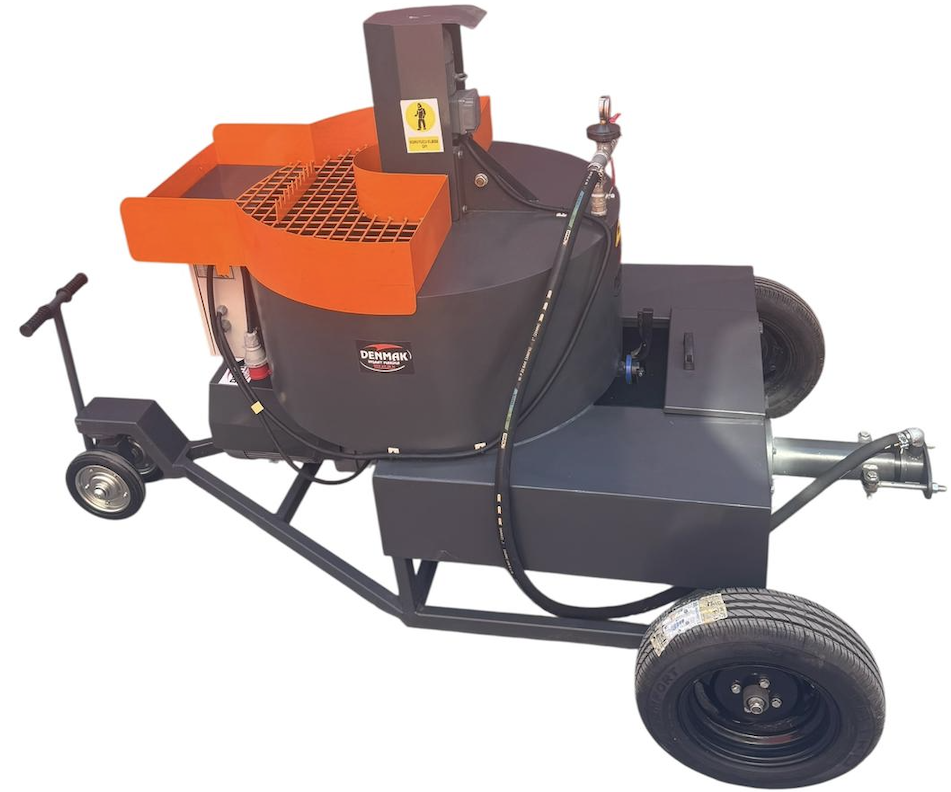
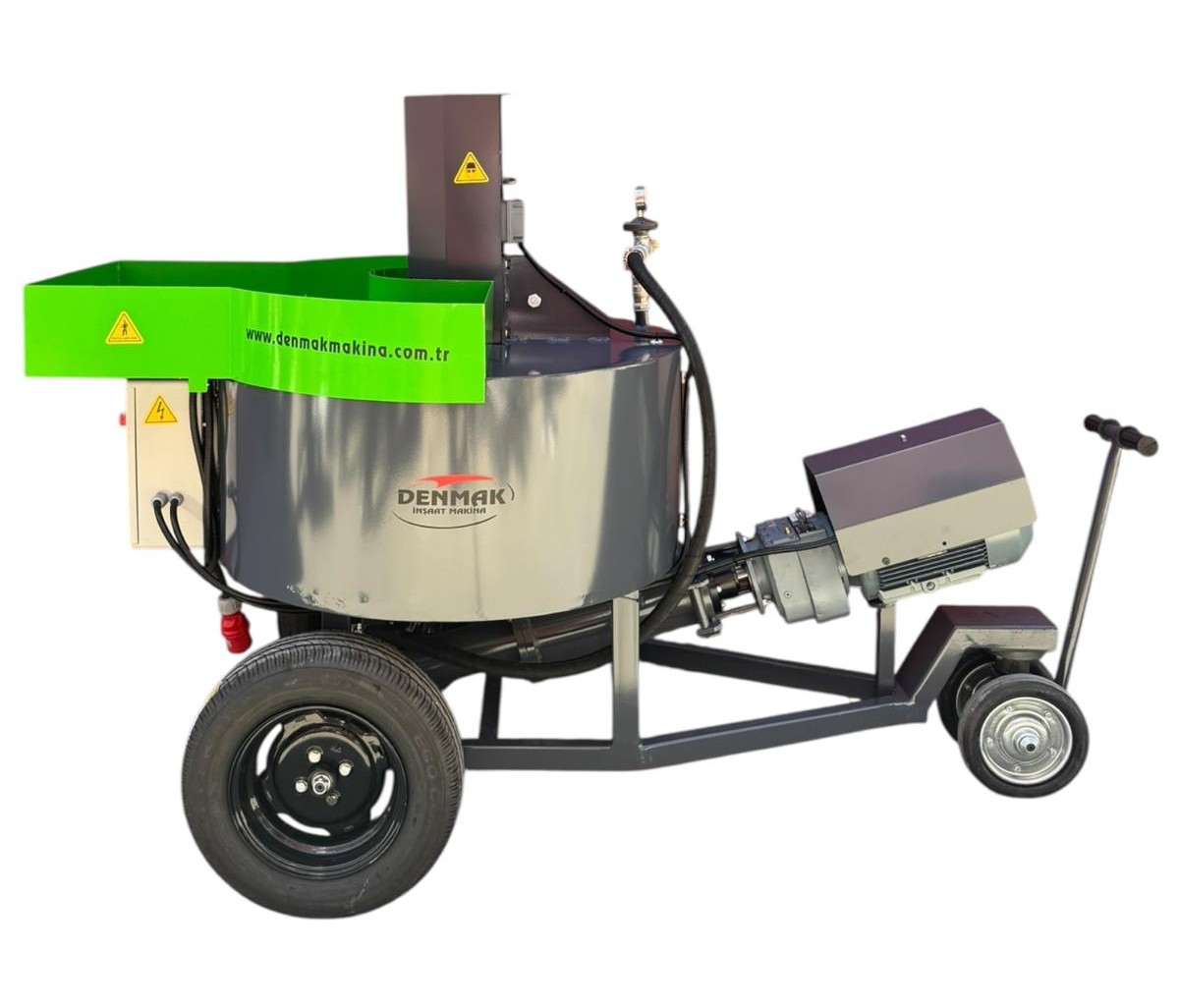
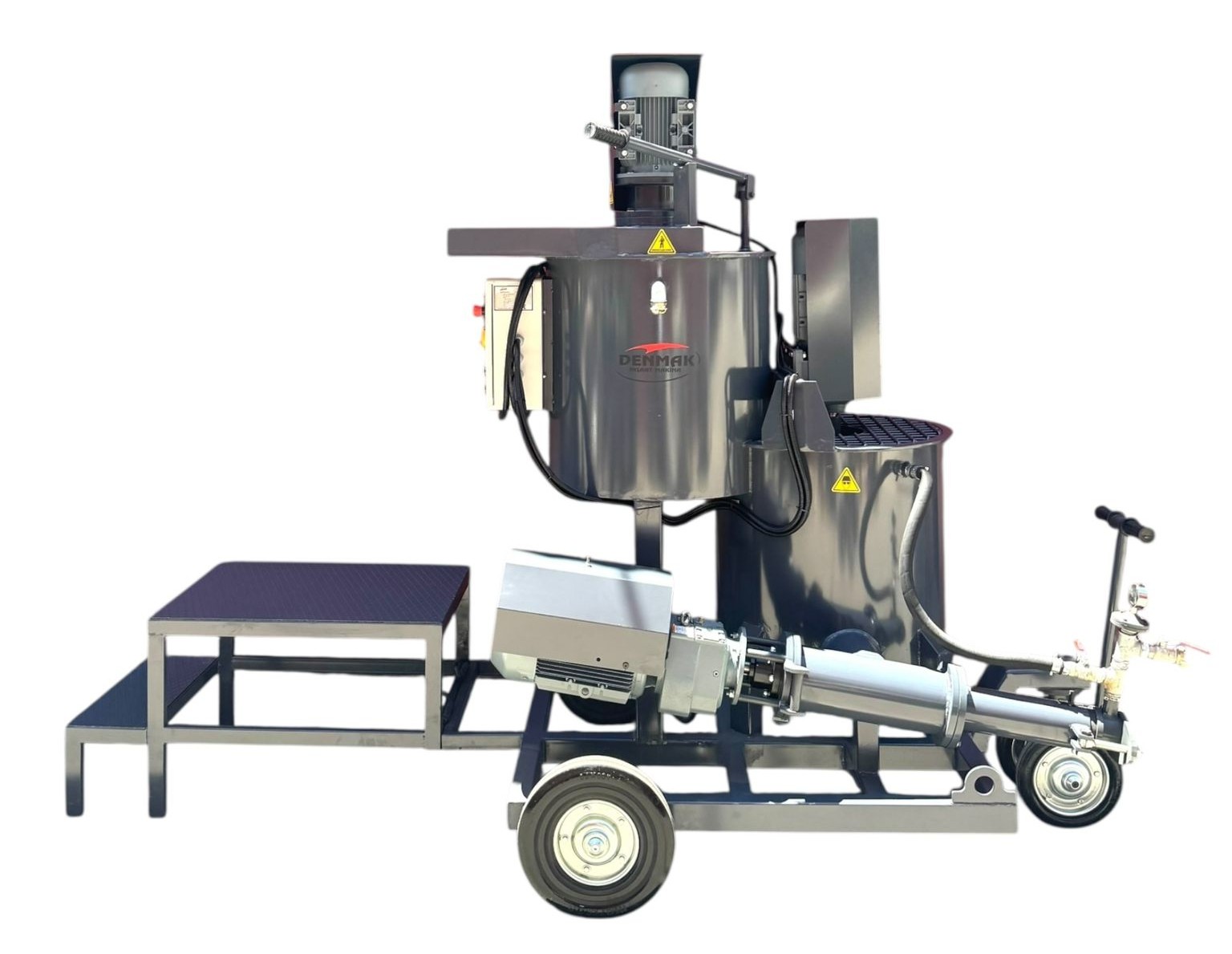
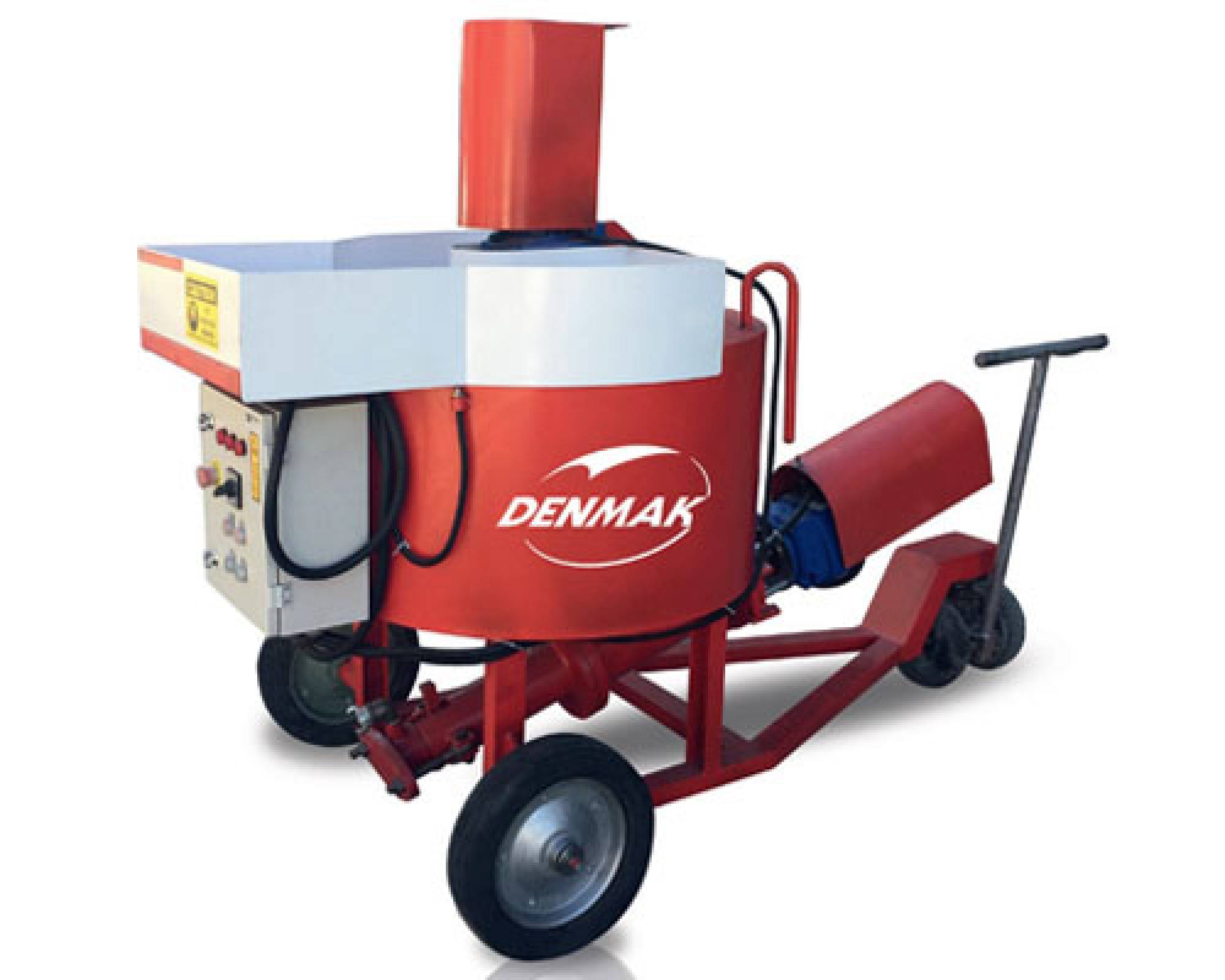
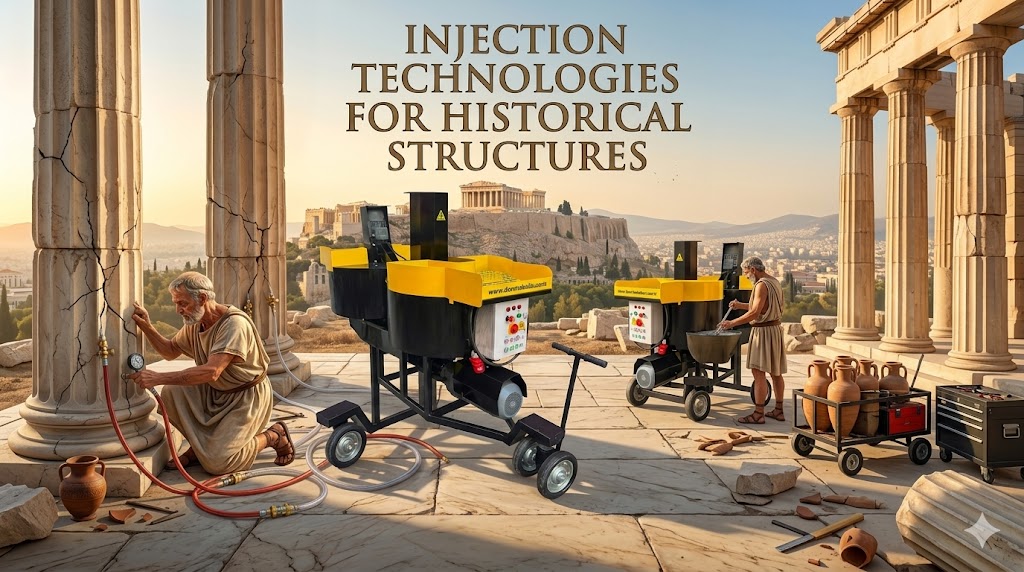
The primary purpose of the types of injection machines used in restoration projects is to deliver the filling material in a controlled and low-pressure manner without damaging the structure. High-pressure applications can cause irreversible cracks and structural separation in historical walls. Injection systems developed by Denmak Makina are designed precisely by considering this delicate balance to safely increase the mechanical resistance of the historical texture.
Success in the restoration of historical monuments depends on the selection of the right equipment as well as the correct mortar mix. Advanced low-pressure pumping systems offer the following critical advantages on-site:
Precise Pressure Management: Keeping the pressure continuously under control and constant during the application completely eliminates risks such as cracking, deformation, or stone ejection in the historical texture.
Wide Material Compatibility: Khorasan mortar injection, hydraulic lime-based mortars, and micro-cement mixtures, which are frequently preferred for the sake of chemical compatibility in restoration works, can have a dense consistency. Advanced injection pumps have the capability to pump these special mixtures homogeneously without causing clogging.
Site Efficiency and Mobility: Historical construction sites are generally narrow areas where it is difficult to work. The compact designs of the machines provide maximum operational ease in narrow spaces on scaffolding, in tunnels, or in cellars.
When structural strengthening is carried out with injection in a historical building, the process must be managed meticulously. After the cracks on the wall surface are cleaned and packers are placed, pre-moistening is performed to prevent the mortar from being absorbed by the wall and drying out. The injection process always starts from the lowest level; the mortar is pumped at low pressure until it overflows from the packer above, and all the voids inside the wall are ensured to be filled by moving upwards in sequence.
Denmak Makina, with its Istanbul-based production power and global vision, not only provides high-performance machinery supply to restoration projects but also offers shotcrete spare parts, technical service, and operational support services, which are of critical importance for the sustainability of projects, in a complete manner. With the solutions we produce for demanding industrial sectors and sensitive historical restorations, we perfectly combine modern engineering standards with traditional construction techniques; we safely carry the past into the future.
Gallery