
Injection Equipment Guide: The Role of Mixers, Pumps, and Packers
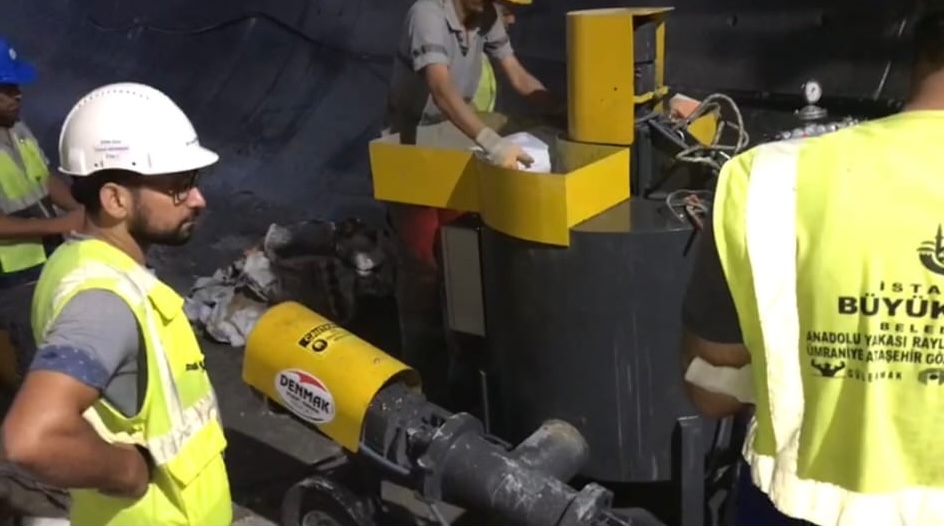
Injection Equipment Guide: The Role of Mixers, Pumps, and Packers
The success of an injection application depends on the compatibility and durability of the equipment used. A leak or incorrect mixture at any point in the system can jeopardize the safety of the entire project. Injection operations are carried out through three main hardware groups: preparation, transmission, and sealing.
Everything starts with the right mixture. Standard mixers are not sufficient to ensure that cement fully integrates with water without clumping.
High-Speed (Colloidal) Mixing Mixer: It completely separates cement particles in water with its high-speed operating principle. This allows the grout to penetrate even the finest cracks.
Grout Mixer (Agitator): This is a resting tank that rotates at a slow speed to prevent the grout from setting or settling after the mixture is prepared.
High pressure is required to pump the prepared mixture to the target depth.
Hydraulic Injection Pump: Preferred for works such as dam curtain injection that require constant and high pressure.
Double Piston Pump: Indispensable for large projects where continuity and high flow rates are sought.
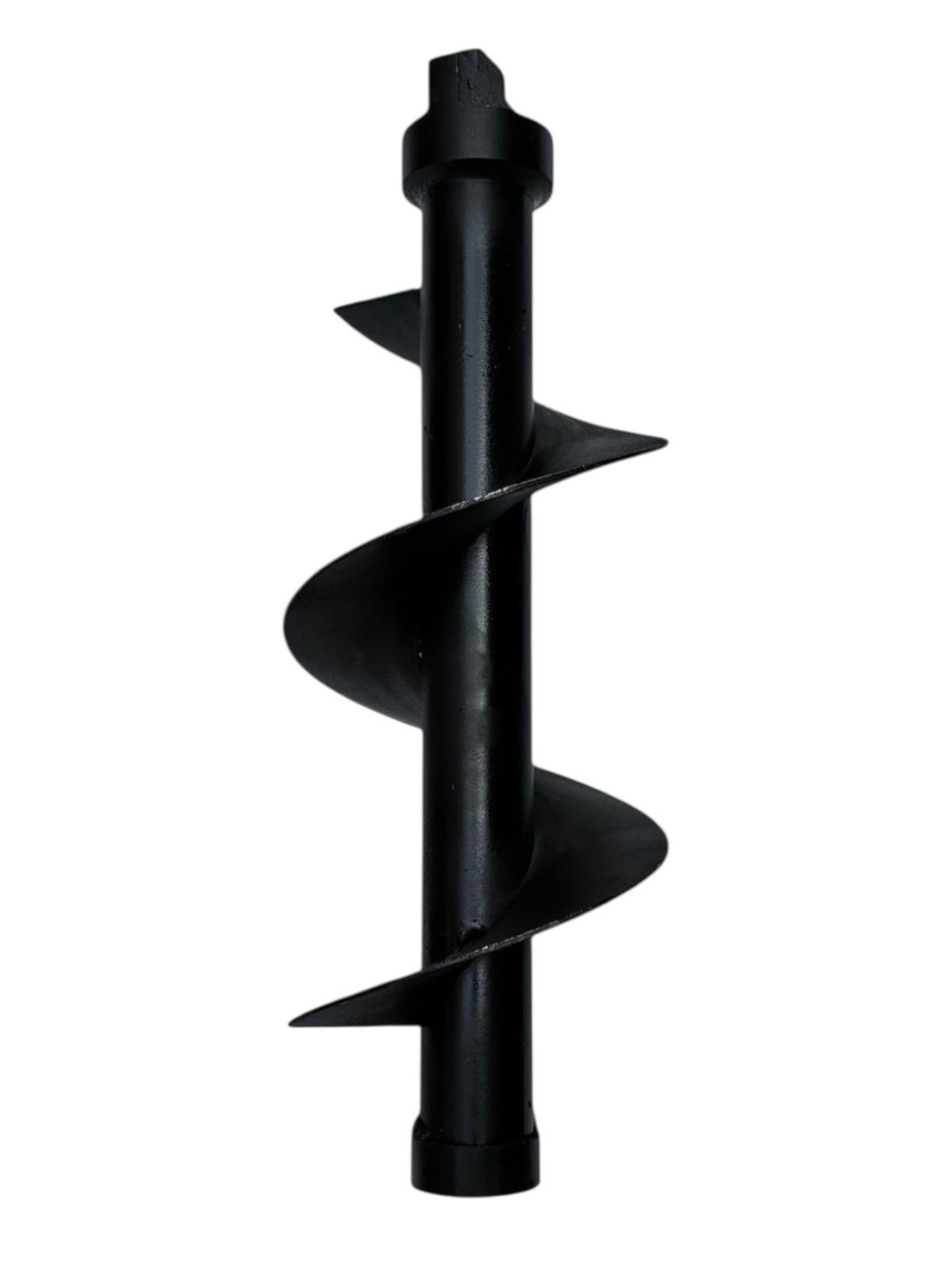
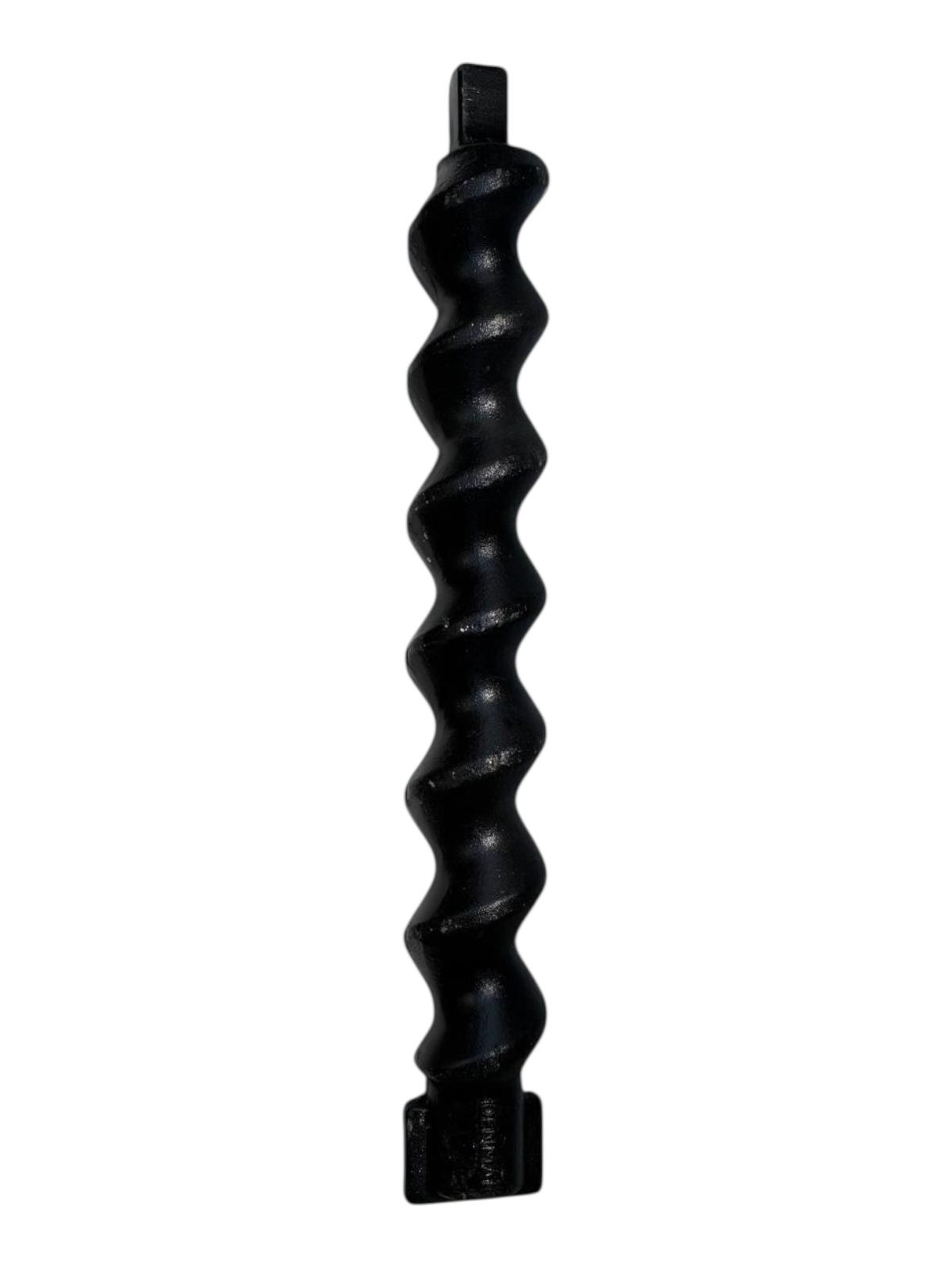
Rotor-Stator Group: This is the heart of the pump. It is the main mechanism that presses the mixture into the pipeline and must be made of wear-resistant, high-quality components.
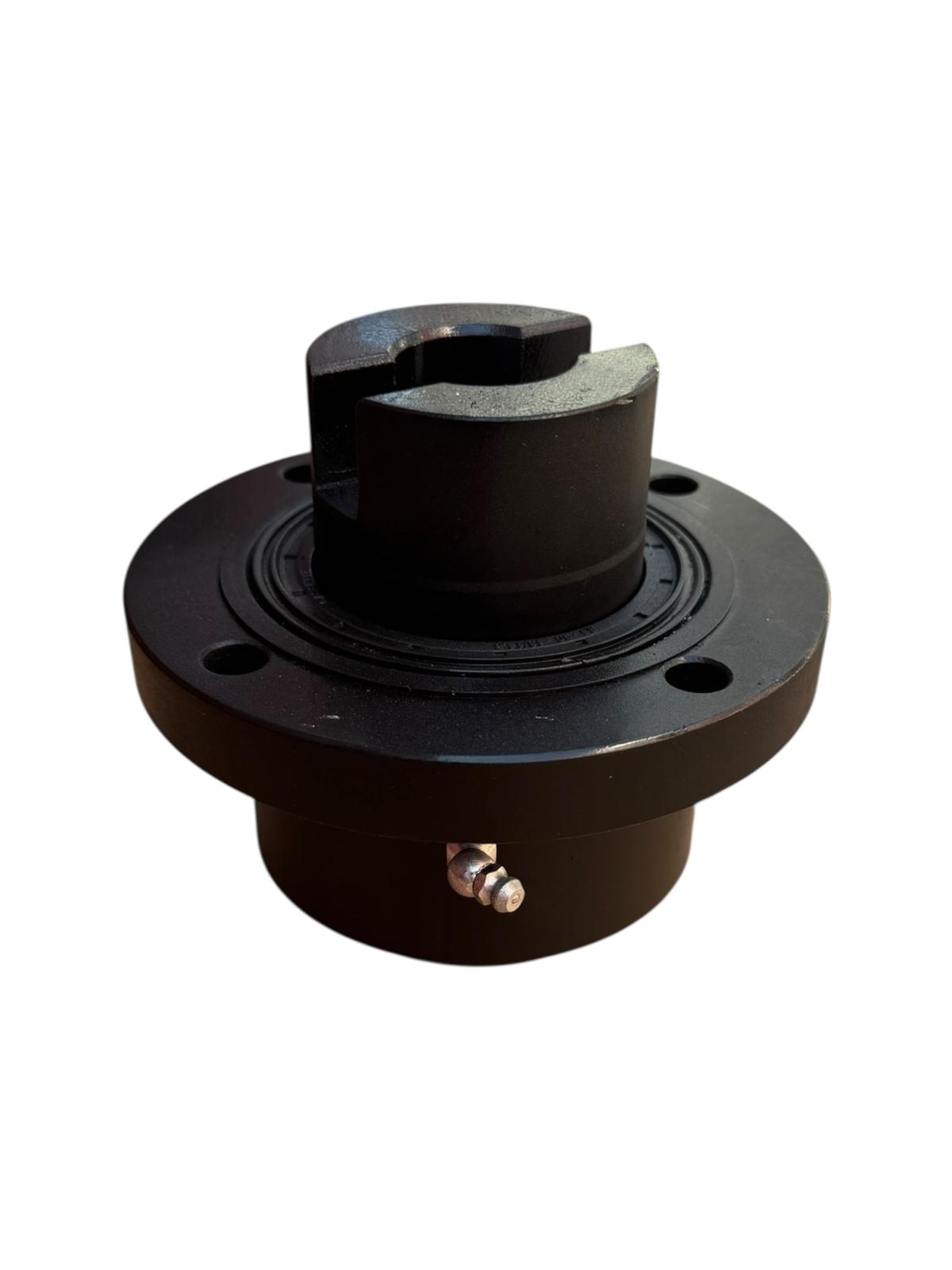
Ball Coupling: Provides power transmission between the motor and the pump. It is a critical connection element that reduces mechanical wear and protects the system in high-pressure operations.
Polyurethane Injection Pump: Designed to pump chemical resins for finer cracks and waterproofing; these are generally more portable systems.
"Sealing" must be performed to prevent the pressurized grout from overflowing from the drilled hole and to ensure it only goes into the gaps in the ground. At this stage, injection packers act as the secret heroes of the operation.
Mechanical Packers: Elements working with the compression principle, generally used in concrete crack injections and low-pressure works.
Steel Packers: Preferred in very high-pressure applications (dams, tunnel waterproofing) due to their durability.
Considerations for Equipment Selection and Maintenance
Maintenance of injection equipment under field conditions is critical. Since cement is a fast-setting and abrasive material, pump valves, seals, and packer rubber sleeves must be easily replaceable. The use of a quality injection packer prevents grout loss and increases occupational safety during application.
Gallery
.jpg)