Grouting vs. Injection: Technical Differences and Application Disciplines
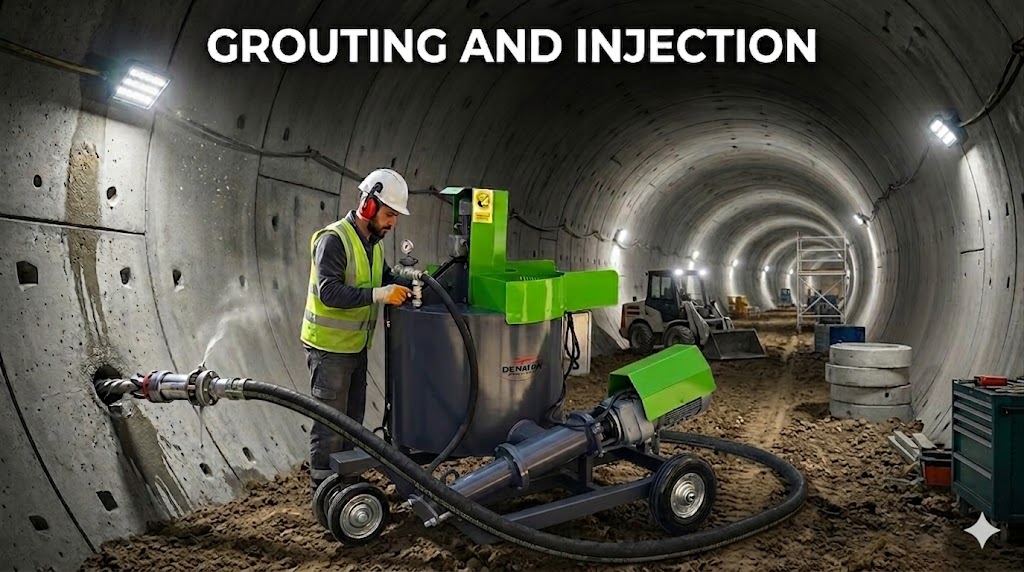
Grouting vs. Injection: Technical Differences and Application Disciplines
In the world of civil engineering and tunneling, two terms are often used interchangeably: Grouting and Injection. While they share similar goals in ground improvement, there are distinct differences in application methods, pressure levels, and the equipment required.
Grouting is the process of placing a fluid material (slurry) into a structural void or large soil pores. The primary objective is to create a volumetric fill to increase load-bearing capacity or ensure water impermeability.
Backfilling: Filling the gap between tunnel segments and the host rock.
Permeation Grouting: Allowing the grout to seep into soil pores without disturbing the soil structure.
Injection is the controlled delivery of material into a targeted area—such as cracks, soil strata, or anchor holes—under specific hydraulic pressure. In tunneling, it is critical for SN Anchor stabilization, fissure sealing, and soil consolidation. In injection, the focus is entirely on controlling the pressure and flow rate.
Pressure Management
Grouting: Generally uses low pressure or relies on gravity flow.
Injection: Requires high and precisely controlled hydraulic pressure.
Equipment Needs
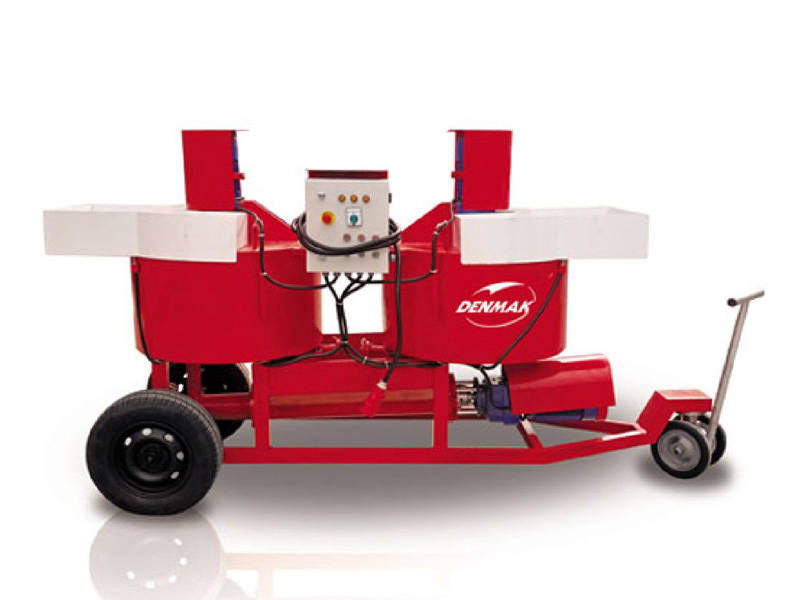
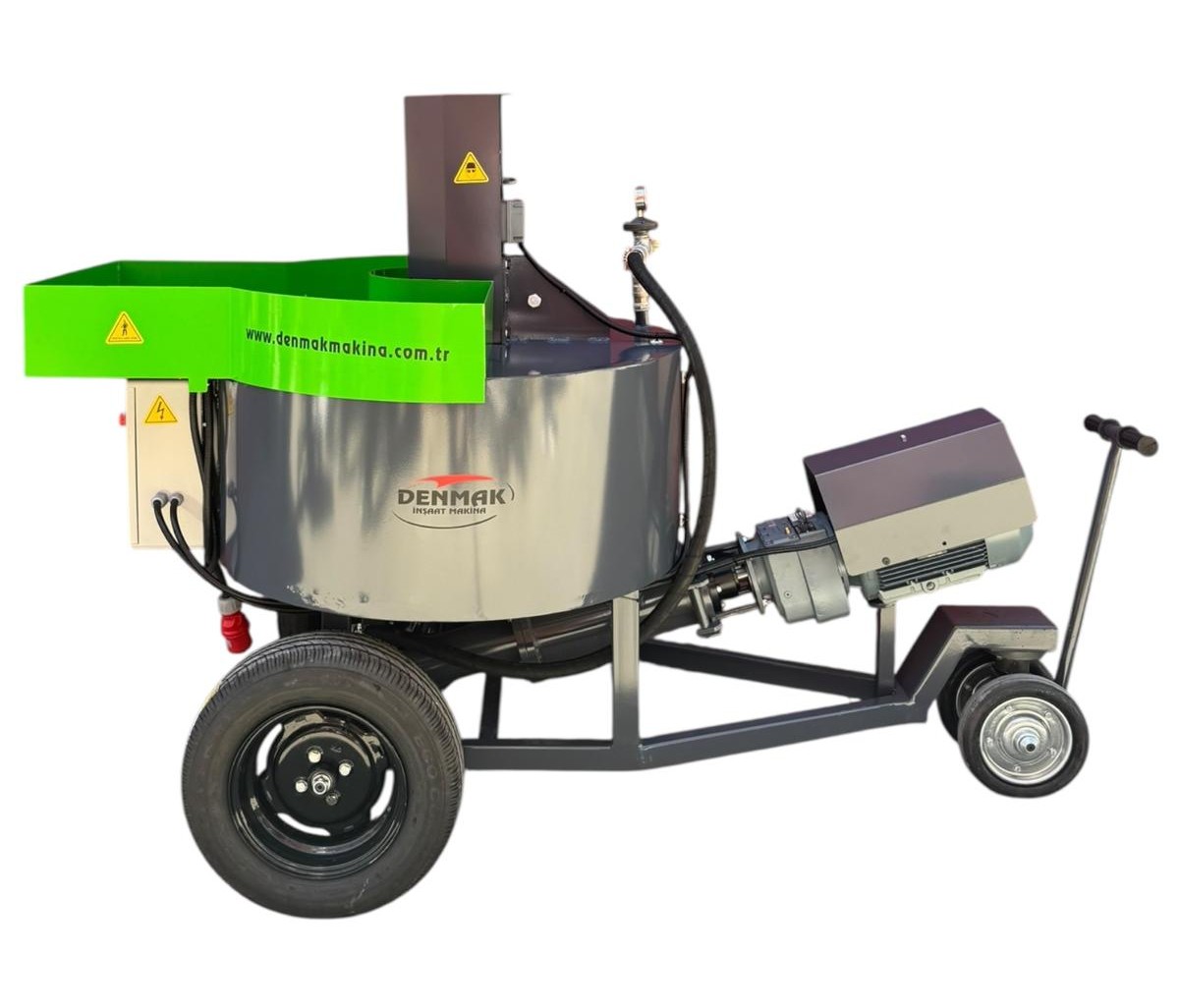
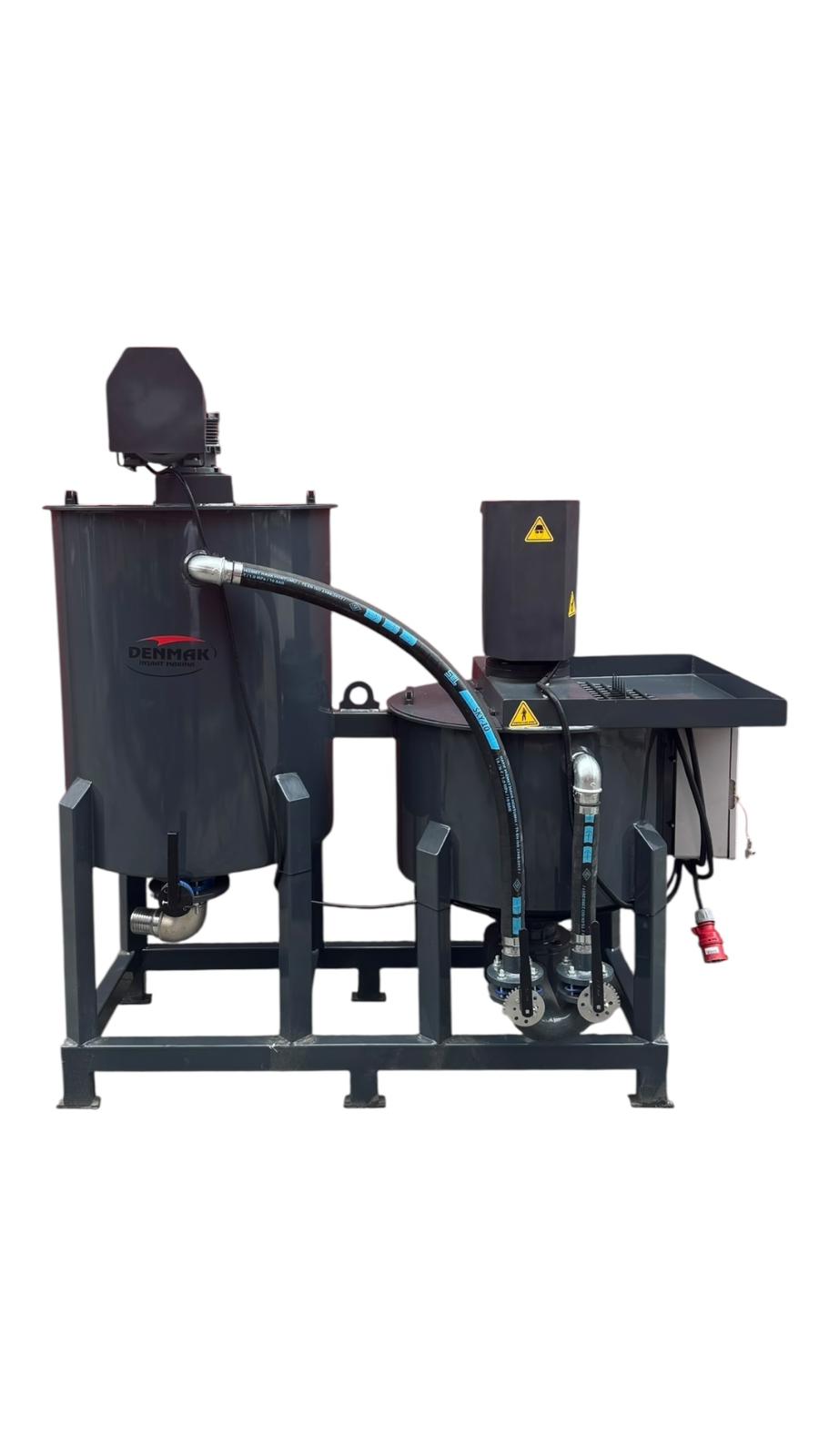
Grouting: Typically involves a basic mixer and a transfer pump.
Injection: Requires specialized high-pressure injection pumps (such as the KEM-40).
Precision and Goal
Grouting: Focuses on volumetric filling and bulk stabilization.
Injection: Focuses on point penetration, sealing, and structural reinforcement.
To increase efficiency in specialized projects, other methods are frequently employed:
Jet Grouting: Using ultra-high-pressure jets to erode the soil and mix it with cement to create solid columns.
Chemical Injection: Injecting epoxy or polyurethane-based materials into hairline cracks for structural repair or specialized sealing.
Whether it is a low-pressure Grouting operation or a high-performance Anchor Injection, the key to success is delivering the correct water-to-cement ratio at the precise pressure required. Selecting the right machinery tailored to your project's technical needs (pressure, distance, material type) optimizes consumable consumption while maximizing site safety.
Gallery